
Polycarbonate Roofing & Specification Guides

Skylight Sheets for PEB Sheds: How to Specify Translucent Roof Panels Without Leaks or Hot Spots
A PEB shed with no daylight burns electricity all day. Here is how to specify polycarbonate skylight sheets that match your metal profile, stay leak-free, and light the floor evenly.
Read article →
Polycarbonate Roofing for School and College Walkways, Courtyards and Assembly Areas
Covered walkways and assembly areas must keep rain and sun off students without turning dark or hot. Here is how to specify polycarbonate for institutional spaces.

Polycarbonate Terrace and Balcony Roofing for Indian Homes: Thickness, Heat and Cost Guide
A polycarbonate roof can turn an unused terrace or balcony into a bright, all-weather room. Here is how to choose the right sheet, frame and finish for an Indian home.
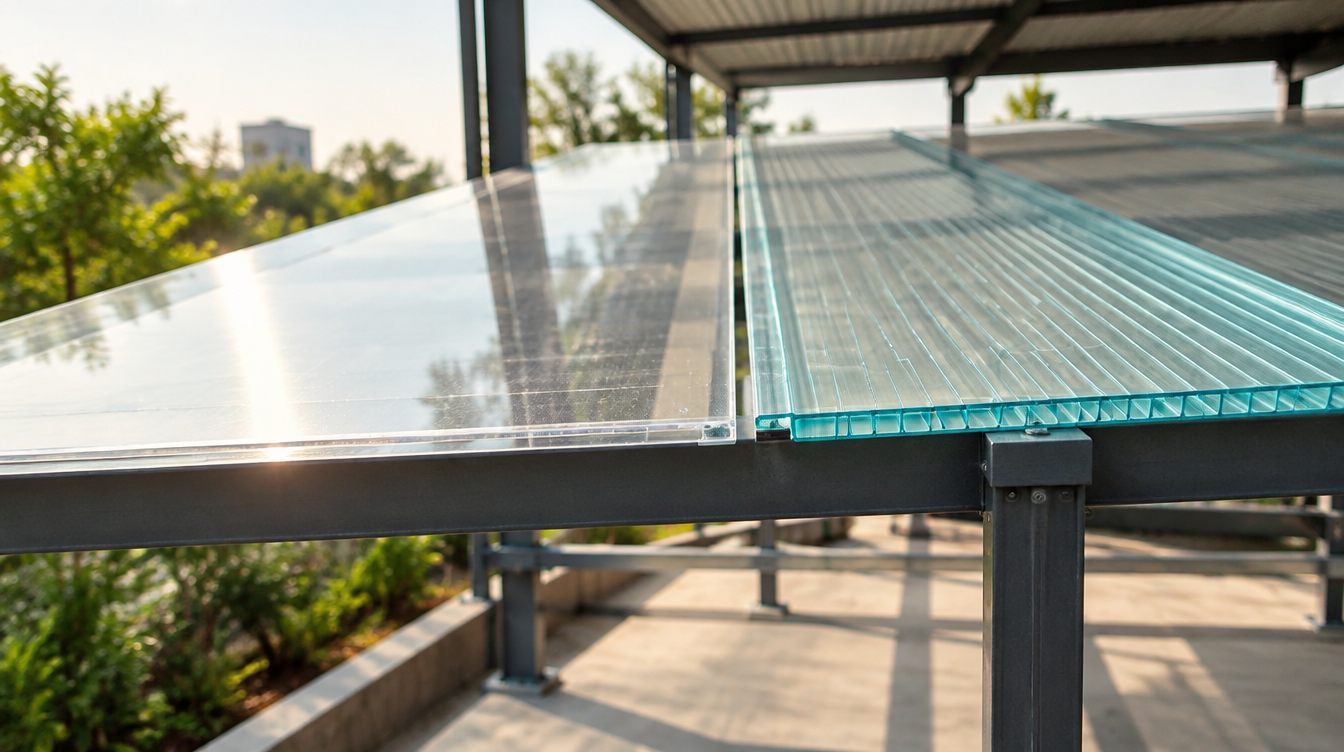
Polycarbonate vs Acrylic Roofing Sheets in India: Which Is Right for Your Project?
Polycarbonate or acrylic for your skylight or canopy? Compare impact strength, UV stability, light transmission, cost, and fire behaviour to choose the right sheet for Indian conditions.
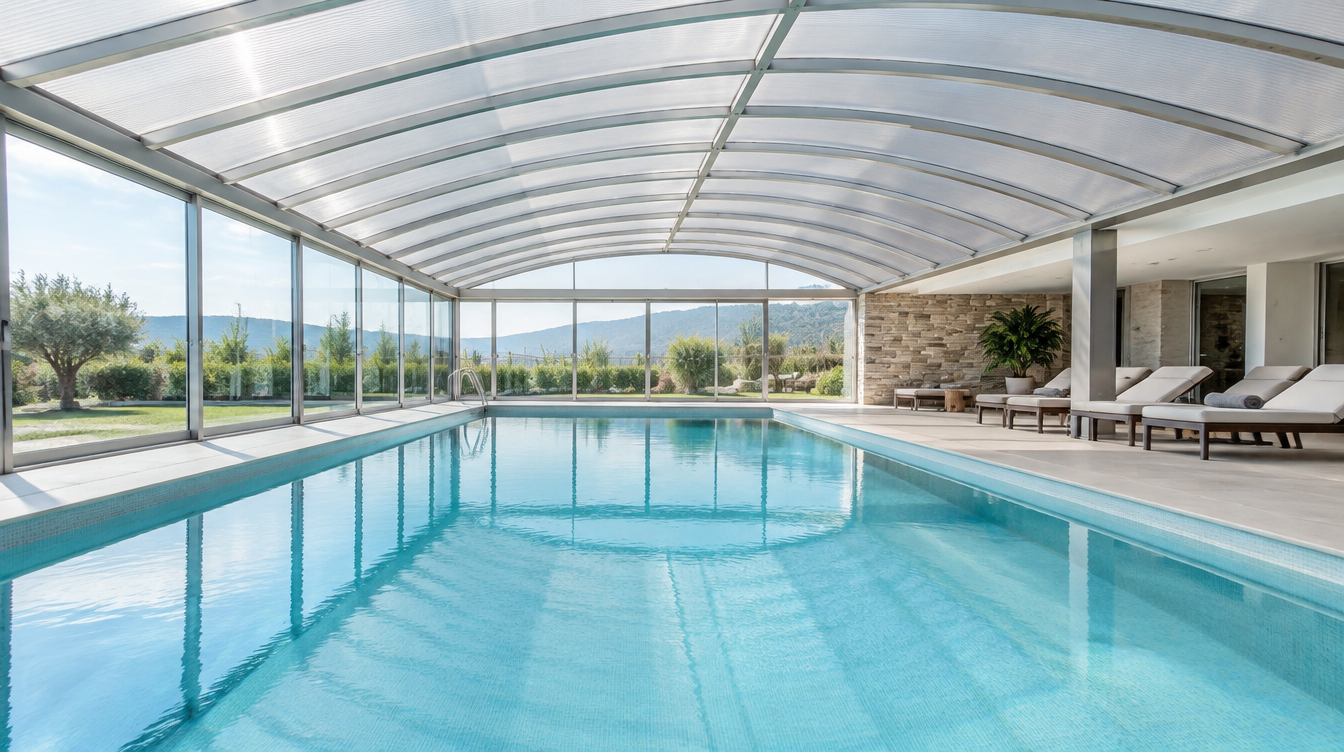
Polycarbonate Roofing for Swimming Pool Enclosures in India: Daylight, Heat, and Condensation
Planning a swimming pool roof or enclosure? Learn how to choose polycarbonate panels for daylight, glare and heat control, condensation, and corrosion-resistant framing in Indian climates.

Polycarbonate Canopies for Bus Shelters and Metro Stations: A Specification Guide for India
How to specify polycarbonate roofing for bus shelters, metro entrances, and station canopies in India: impact resistance, heat, wind load, vandal resistance, fire safety, and maintenance.
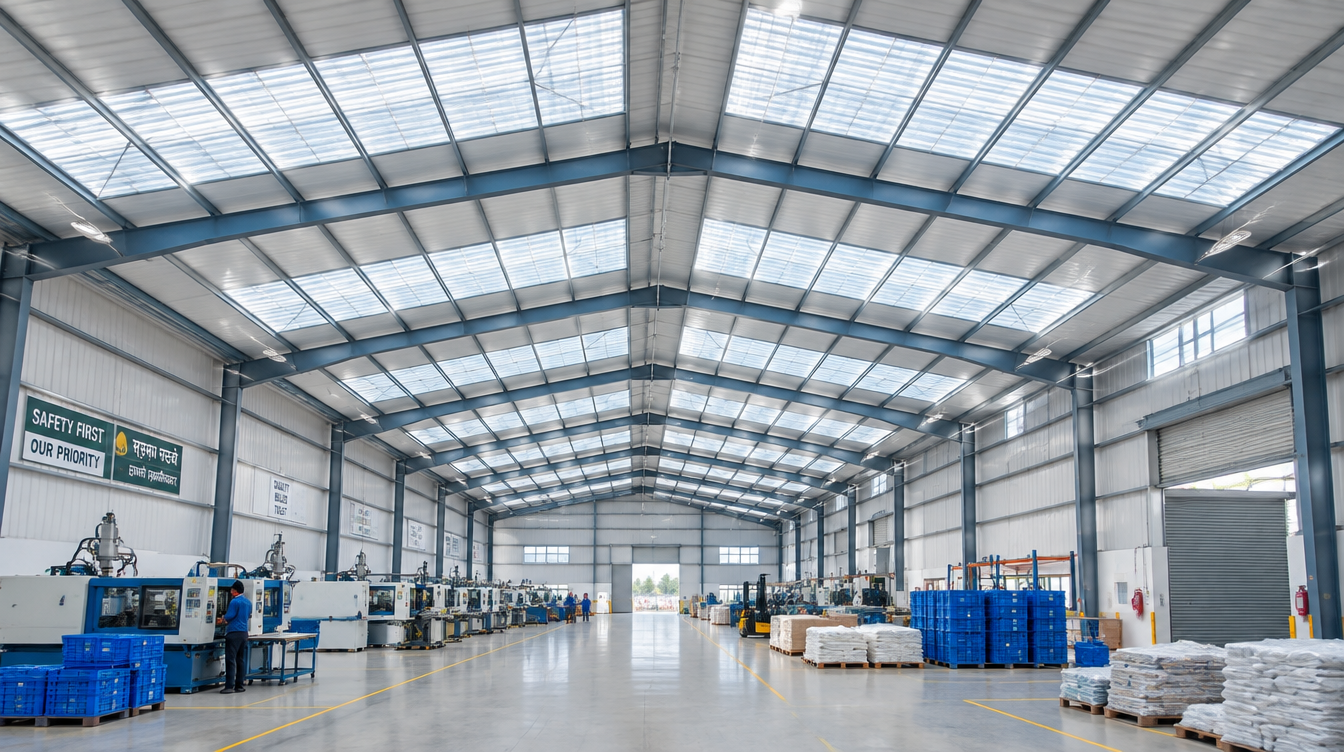
Condensation on Polycarbonate Roofs: Causes, Prevention, and Fixes
Dripping under a polycarbonate roof isn't always a leak — it's often condensation. Here's how to tell the difference, why it happens, and how to stop it.
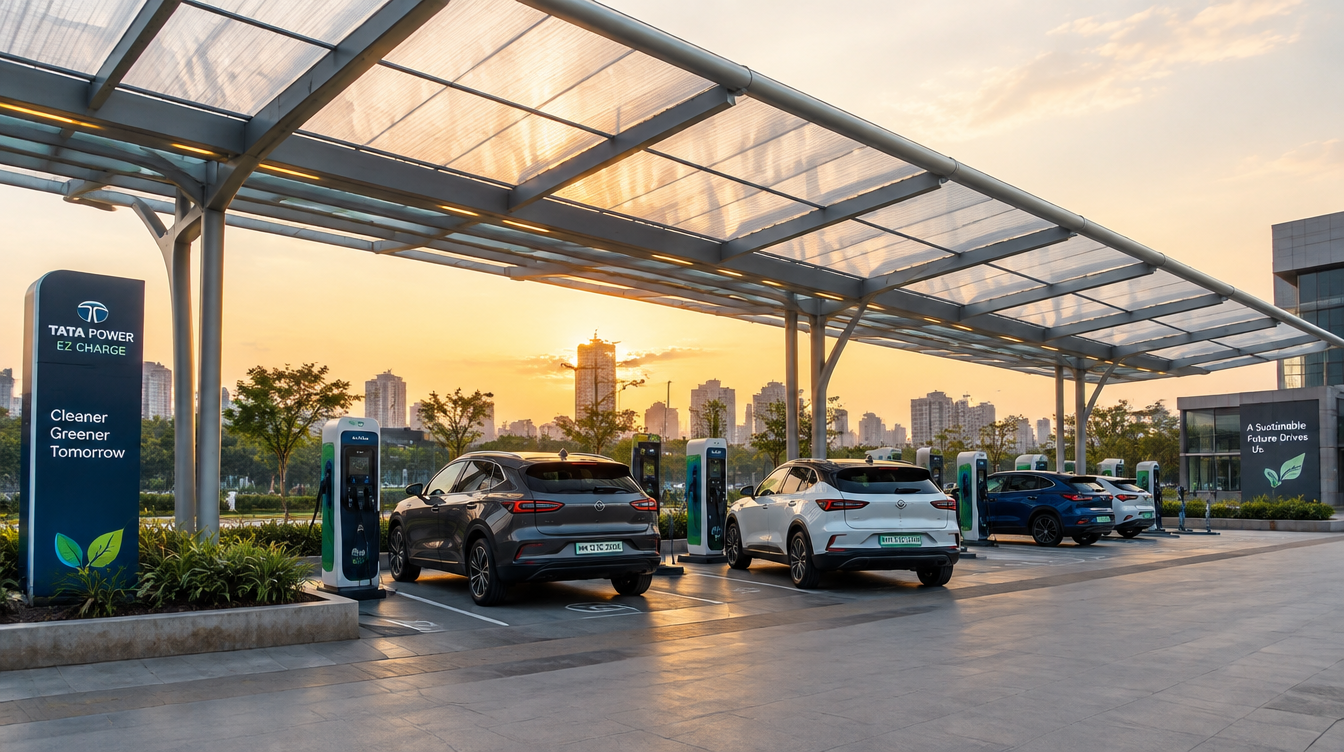
Polycarbonate Canopies for EV Charging Stations: A Daylighting Design Guide for India
Weather protection, visibility, heat load, and solar integration — a practical guide to specifying polycarbonate canopy roofing for EV charging stations in India.
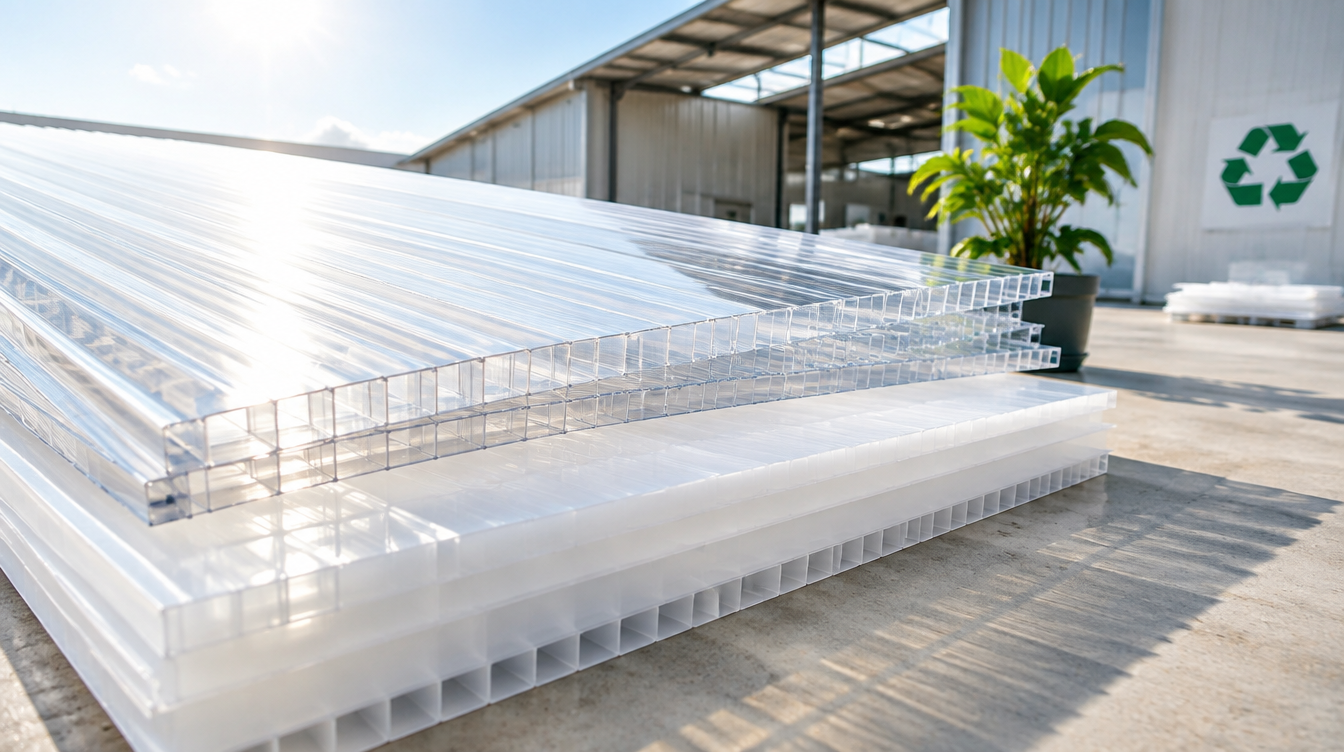
Is Polycarbonate Roofing Sustainable? Recyclability, Embodied Carbon, and Green Building Credits
A clear-eyed look at polycarbonate roofing's sustainability profile — recyclability, embodied vs. operational carbon, durability, and IGBC/GRIHA credits.

Daylighting Retail Stores and Showrooms: Why the Right Skylight Sells More Than It Lights
Retail daylighting isn't just about brightness — it affects how true colours look, how long customers stay, and energy costs. Here's how to specify polycarbonate skylights for stores and showrooms.
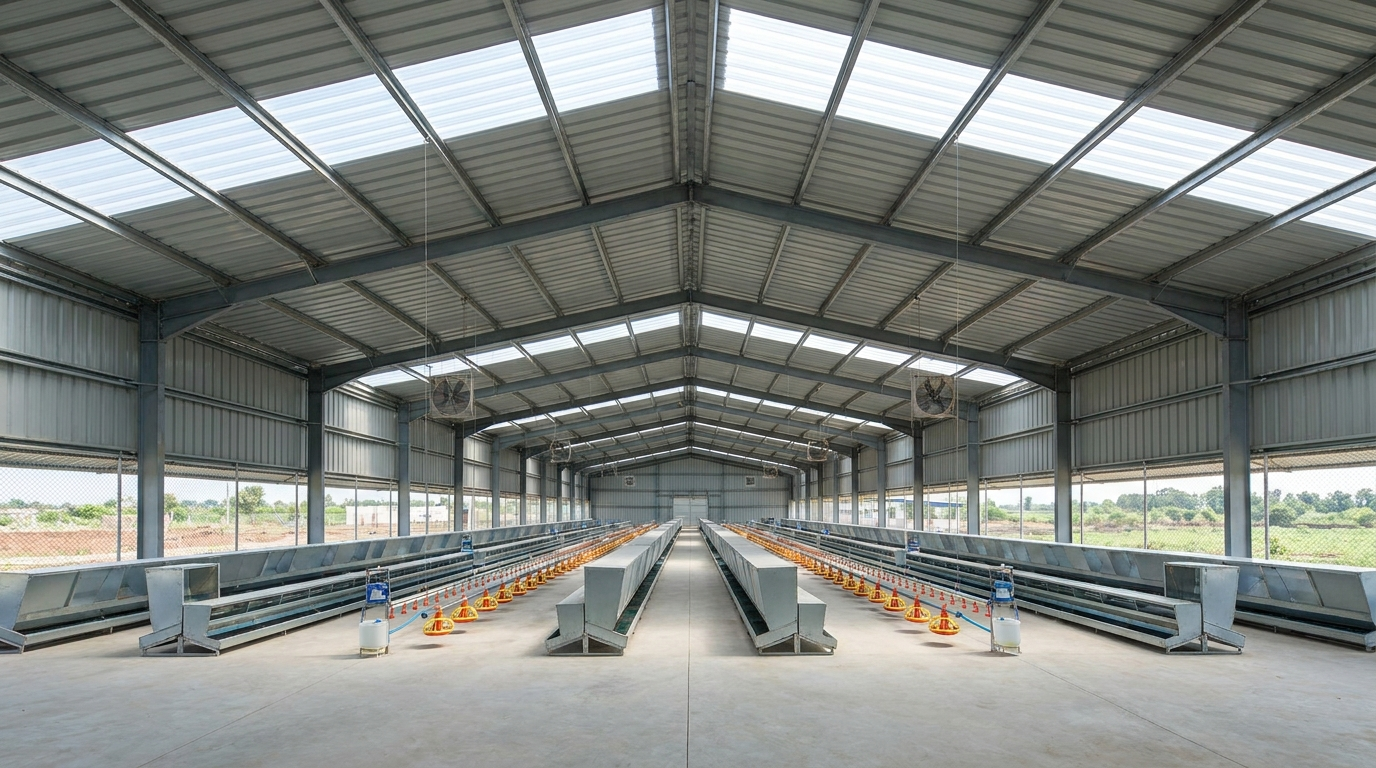
Polycarbonate Daylighting for Poultry Farms and Livestock Sheds in India: A Practical Guide
Daylighting a poultry or livestock shed has different priorities than a factory or home — heat stress, light distribution, and ventilation. Here's how to specify polycarbonate roofing correctly.
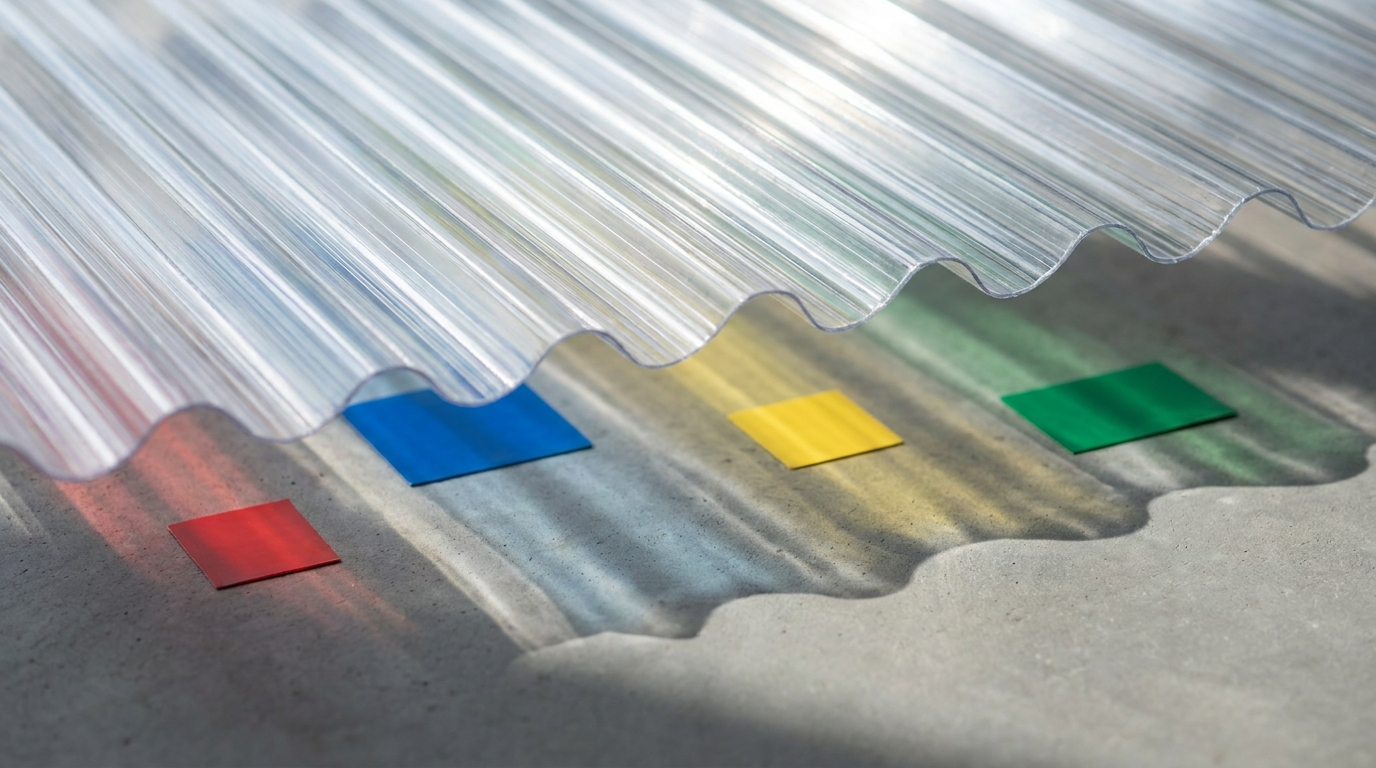
Colour Rendering Index (CRI) and Polycarbonate Skylights: Why Light Quality Matters as Much as Light Quantity
Light transmission tells you how much daylight gets through a polycarbonate panel. Colour Rendering Index tells you how accurate that light actually looks. Here's why both matter.
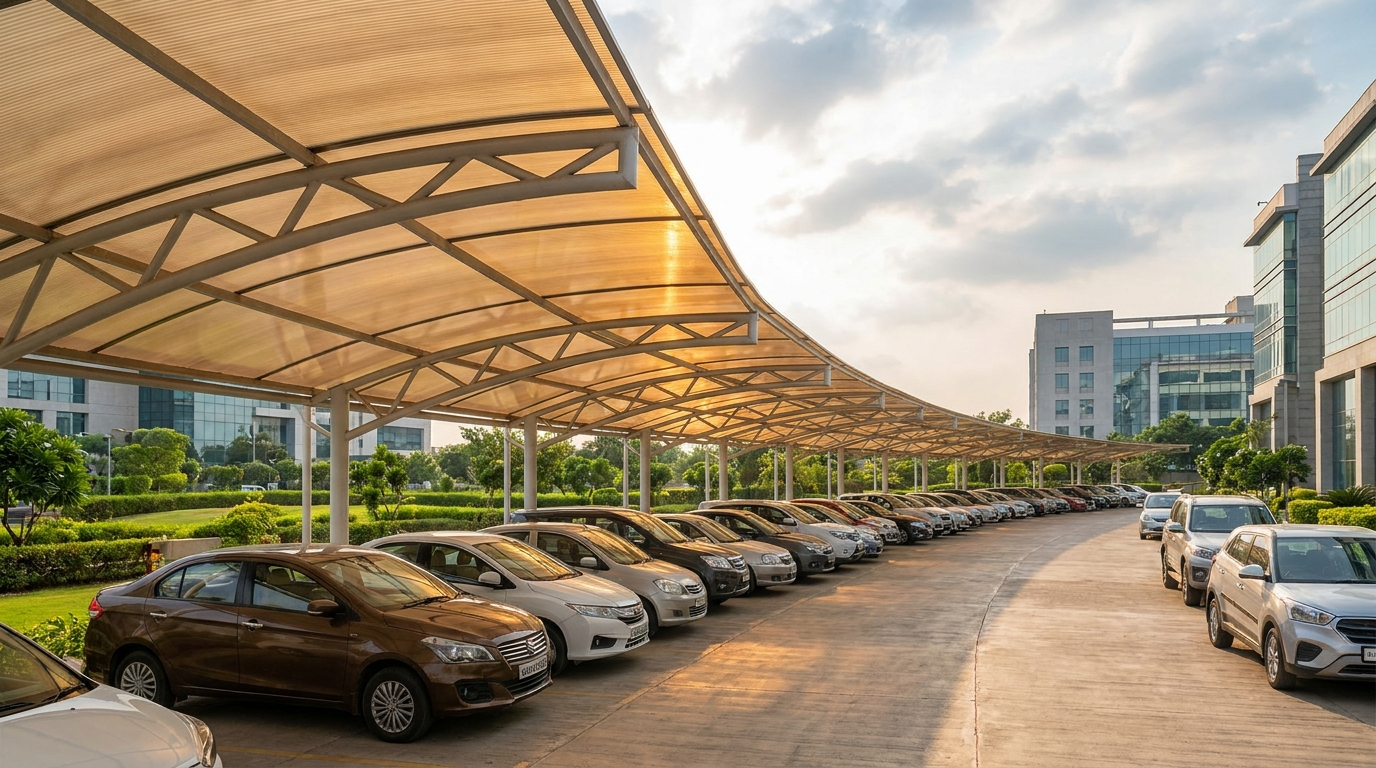
Polycarbonate Parking Shed Roofing: A Buyer's Guide to Specs, Pricing, and Sizing in India
What actually drives the price and performance of a polycarbonate car parking shed — panel thickness, fixing system, span design, and the quote-comparison mistakes that cost buyers later.
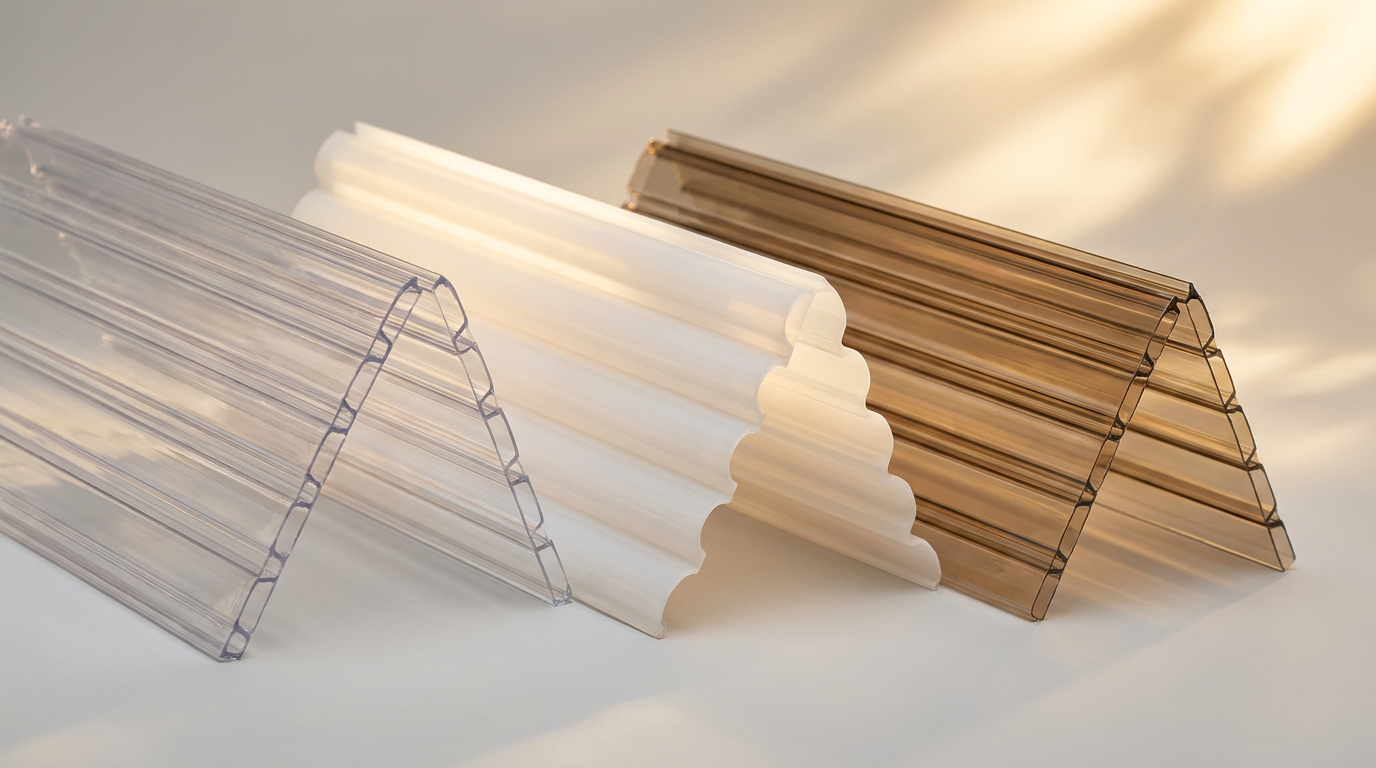
Clear, Opal, or Bronze? How Polycarbonate Sheet Colour Affects Light, Heat, and Glare
Colour isn't a cosmetic choice on a polycarbonate roof — it changes light transmission, solar heat gain, and glare. Here's how to pick clear, opal, or bronze for your project.
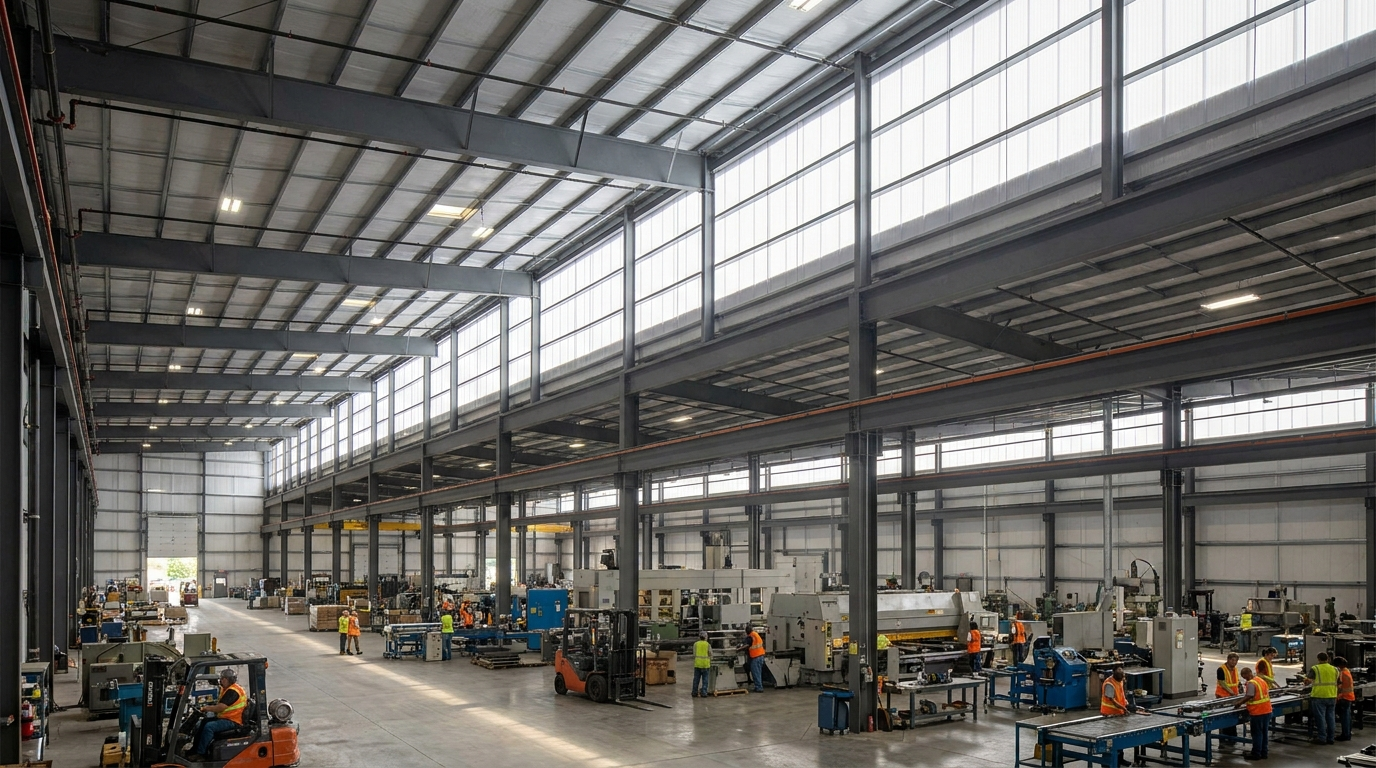
Roof Monitors vs Skylight Strips vs Individual Skylights: Choosing the Right Industrial Daylighting Layout
Roof monitor, continuous ridge skylight, or spaced individual skylights — the daylighting layout you choose affects uniformity, cost, and thermal performance as much as the panel itself.
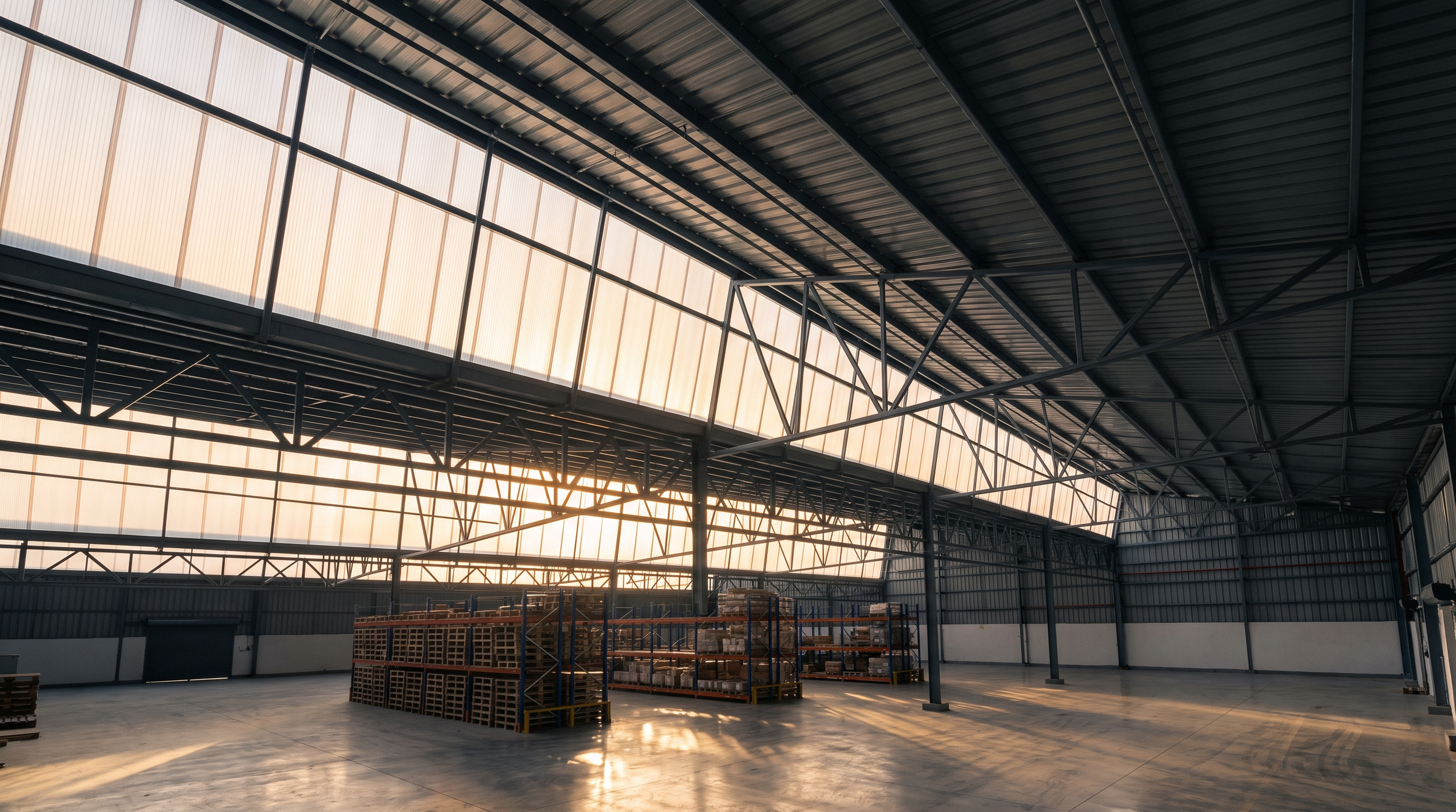
Polycarbonate Sheet Price Guide 2026: What Actually Determines Cost Per Sq Ft in India
Polycarbonate sheet prices in India range from ₹30 to ₹280 per sq ft. Here's exactly what drives that spread — sheet type, thickness, UV grade, and fixing system — so you can read a quotation correctly.
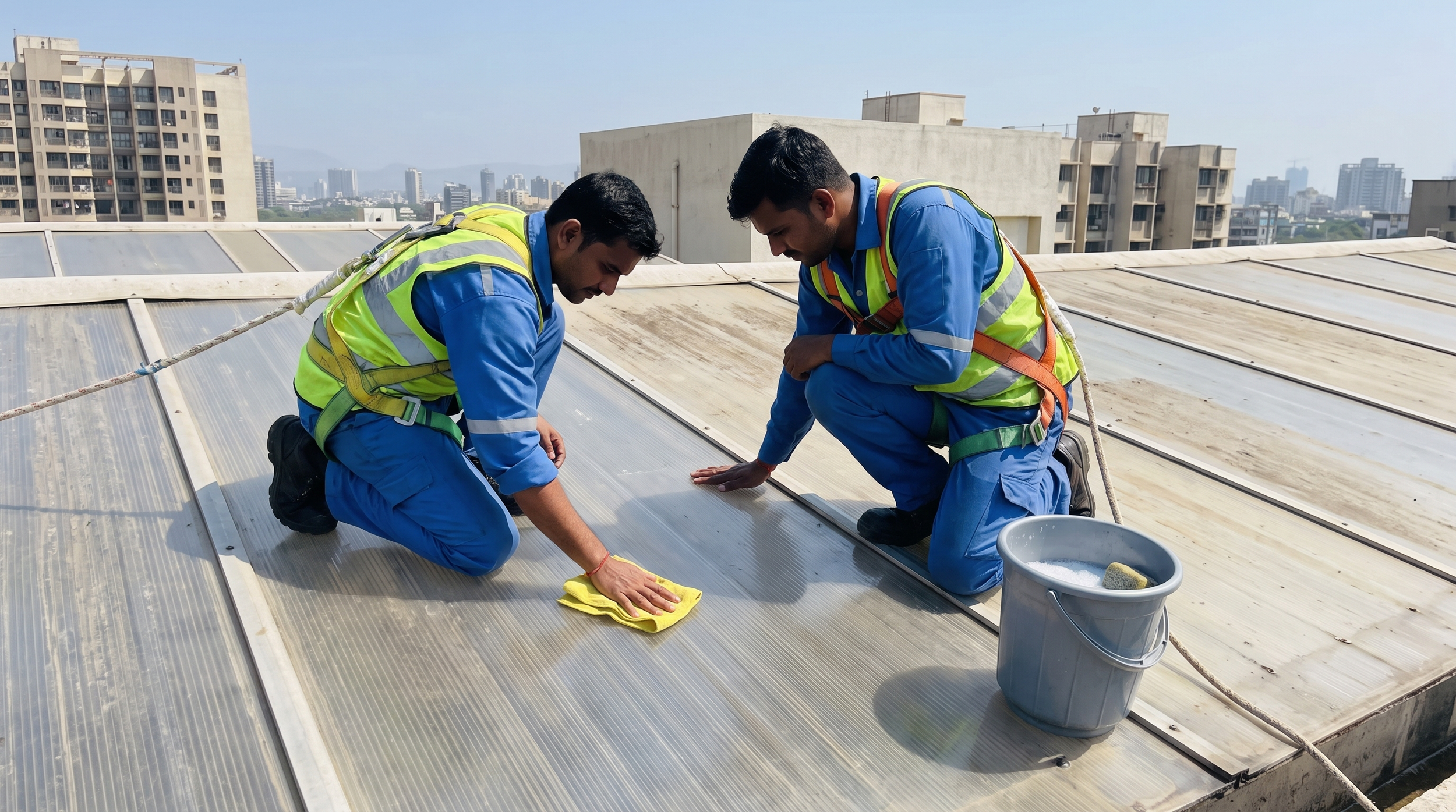
How to Clean and Maintain Polycarbonate Roofing Sheets Without Damaging Them
Polycarbonate is low-maintenance, not no-maintenance. Here's the correct way to clean polycarbonate roofing and skylights, what damages the UV-protective surface, and a maintenance schedule to follow.
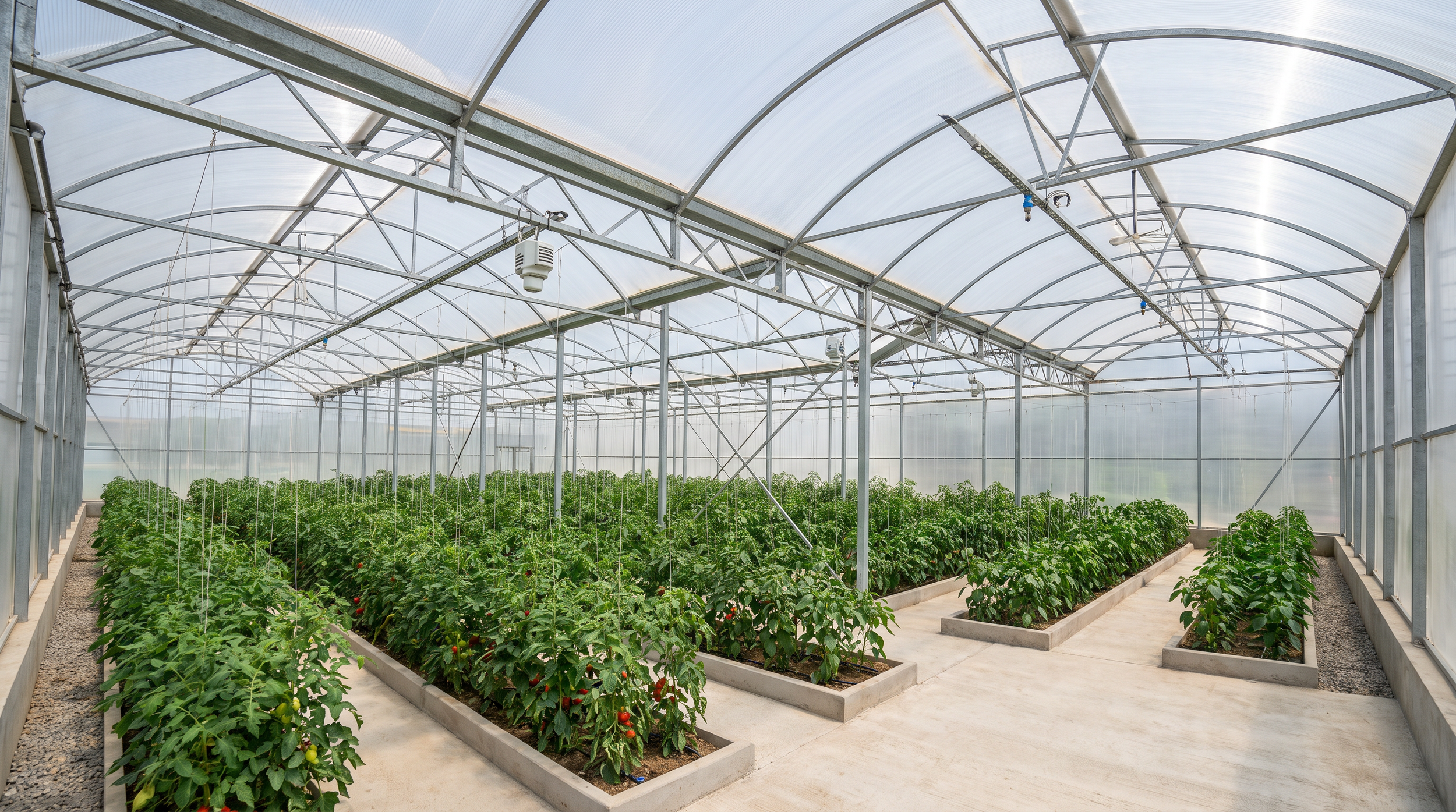
Polycarbonate Sheets for Greenhouses: A Light Diffusion and Daylighting Guide for Poly Houses in India
Light diffusion, not just light transmission, is what actually drives crop growth under a greenhouse roof. Here's how polycarbonate panels compare to plastic film for poly houses in Indian growing conditions.
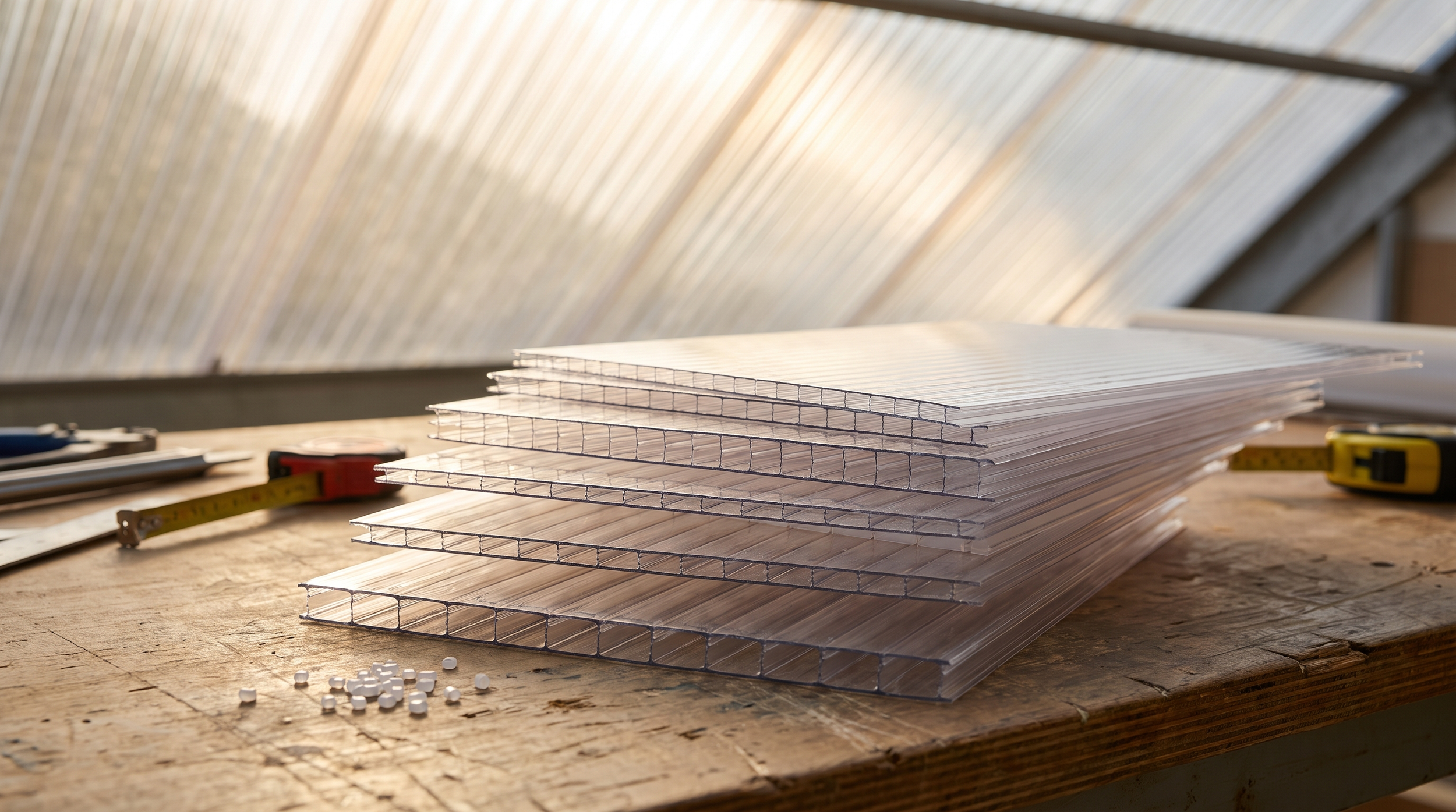
Polycarbonate Sheet Thickness Guide: How to Choose Between 4mm and 40mm
Polycarbonate thickness isn't chosen by price or gut feel — it's driven by span, load, and application. Here's how to match thickness to your project correctly.
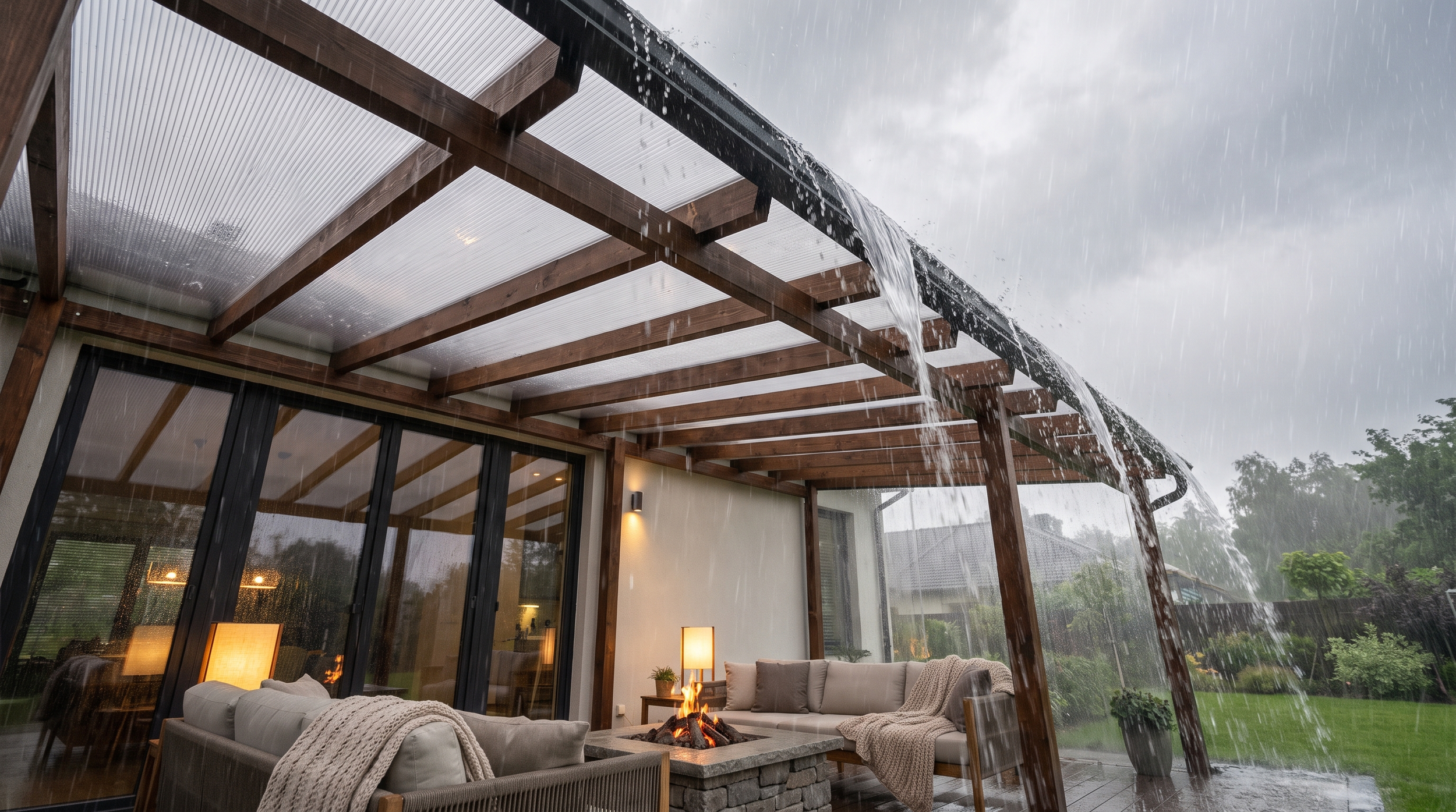
Does Polycarbonate Roofing Make Noise in the Rain? Anti-Drumming Explained
Rain noise is the top objection homeowners raise about polycarbonate roofing. Here's what actually causes it, what anti-drumming construction changes, and how to specify a quieter roof.

ECBC and GRIHA Compliance: How Polycarbonate Daylighting Helps Meet India's Energy Codes
How the Energy Conservation Building Code and GRIHA rating system treat daylighting, and how polycarbonate rooflight systems help projects meet skylight-area and daylight-factor requirements.
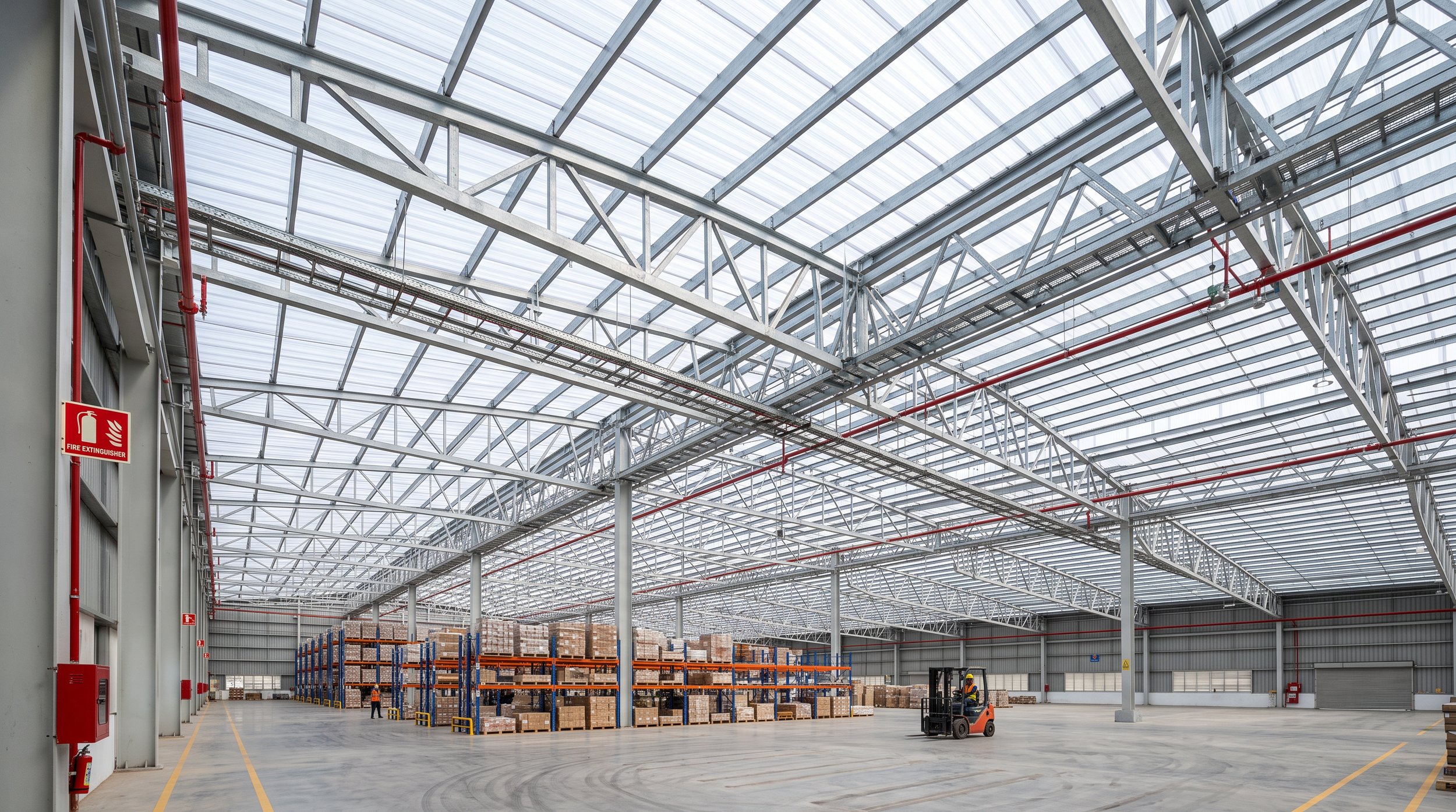
Is Polycarbonate Roofing Fire Safe? Understanding Fire Ratings and Compliance in India
UL-94 and EN 13501-1 explained in plain terms — what polycarbonate fire ratings actually mean, how they compare to FRP and metal roofing, and what to ask before specifying an occupied or fire-code-reviewed building.
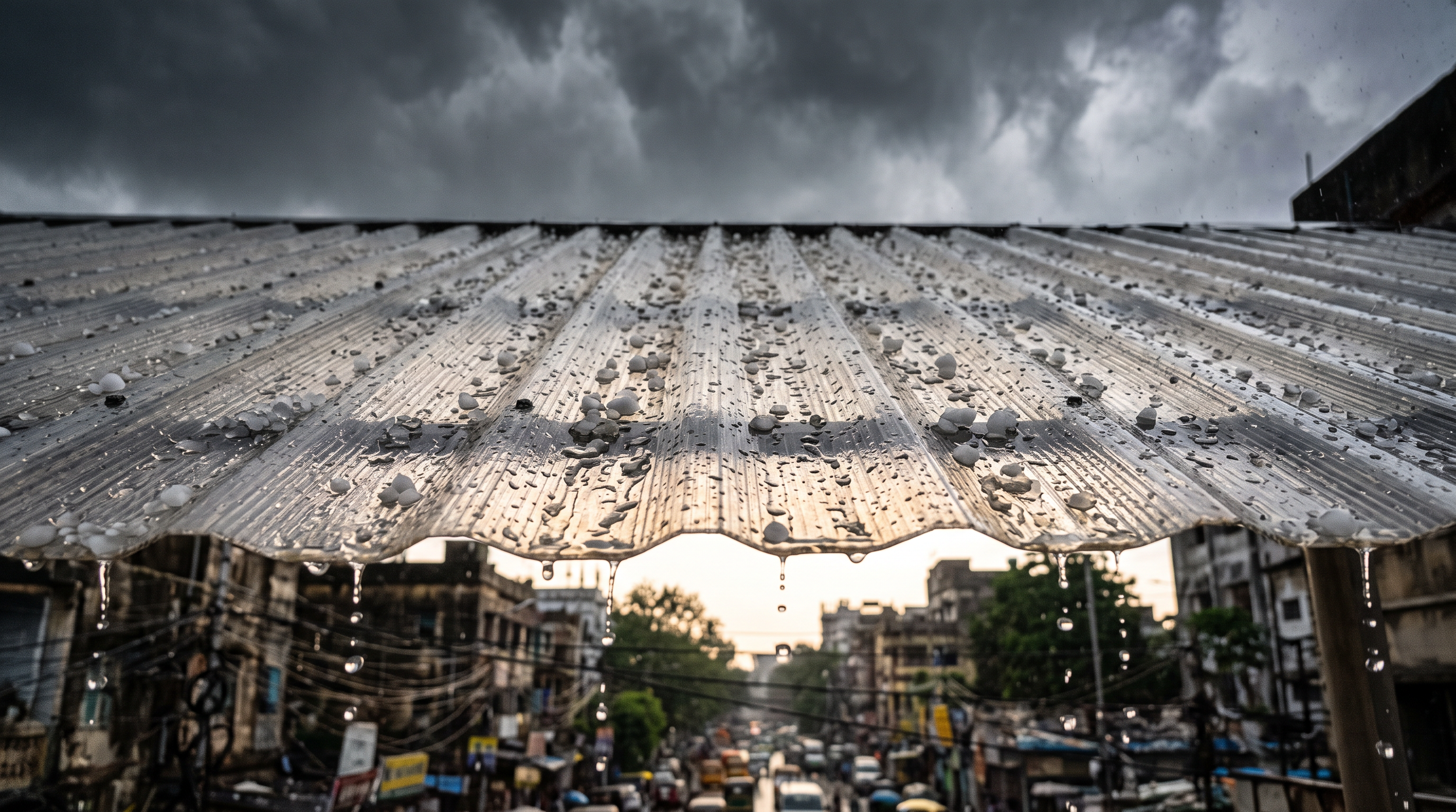
Does Polycarbonate Roofing Survive Hailstorms? Impact Resistance Explained
How the IS 14443-97 dart drop test measures polycarbonate impact resistance, why post-UV-exposure testing matters more than a fresh-sheet certificate, and how polycarbonate compares to glass and metal in a hailstorm.
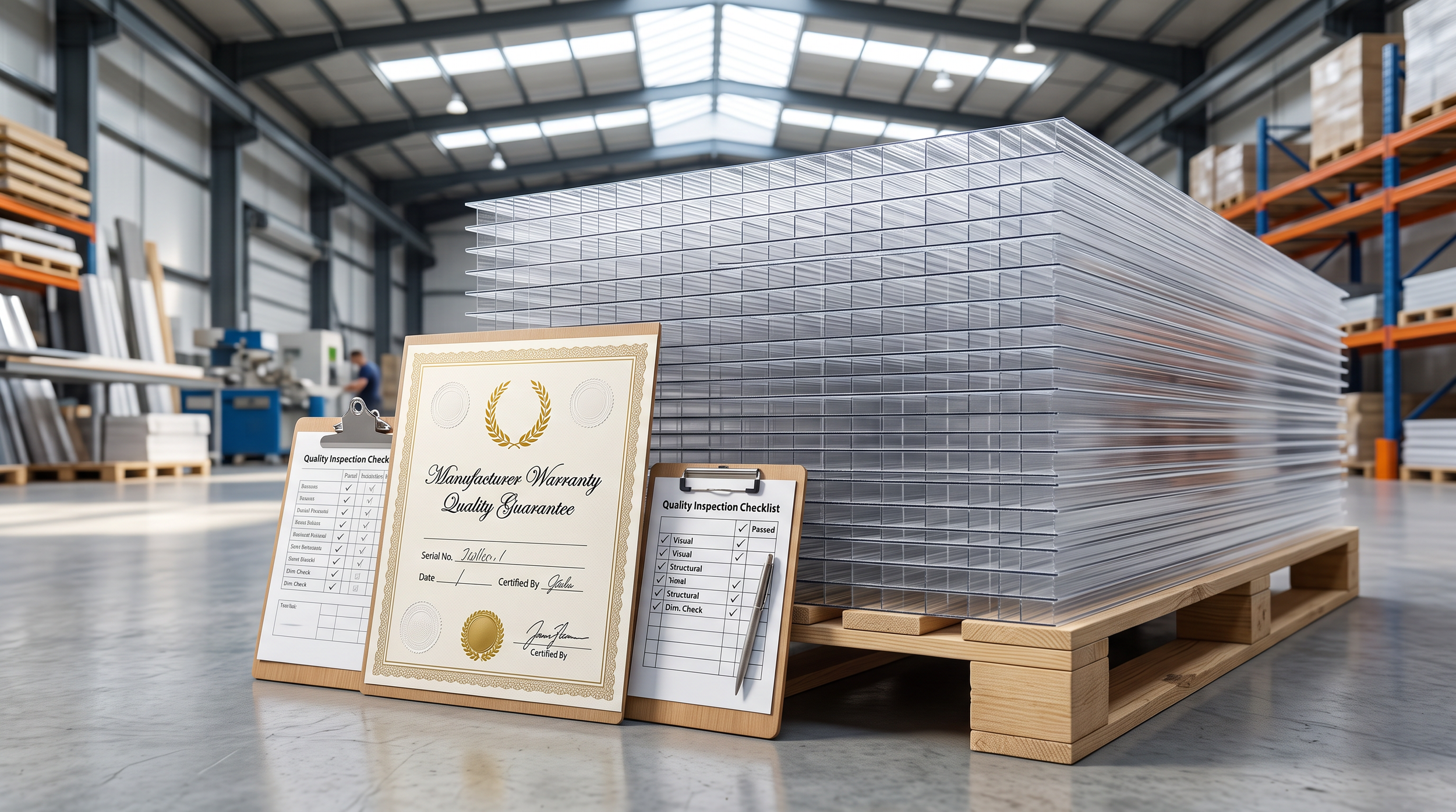
What Should a Polycarbonate Roofing Warranty Actually Cover? A Buyer's Checklist
Most polycarbonate warranties just say '10 years' with no defined performance threshold. Here's the checklist for what a credible warranty should specify — LT retention, Yellowness Index, and product vs system coverage.
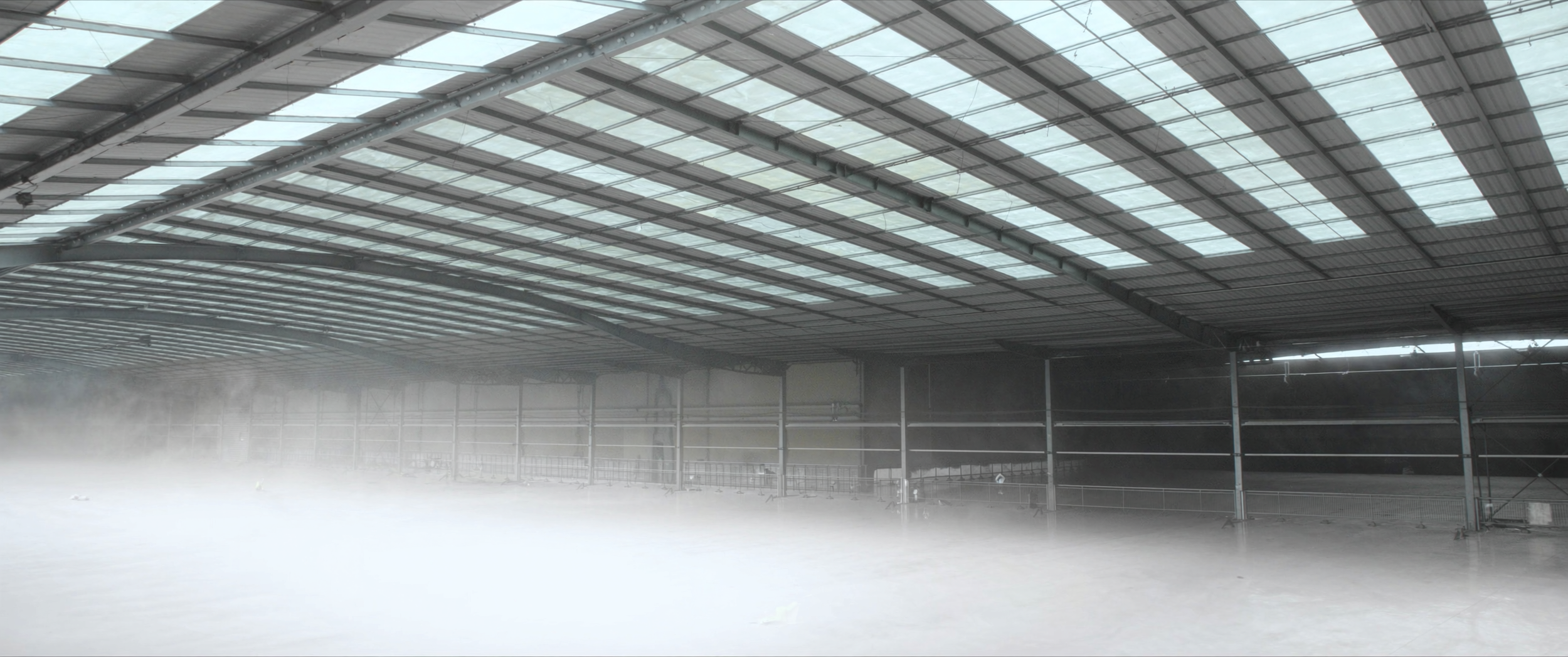
Daylight Factor and Rooflight Ratio: How Much Polycarbonate Roof Area Do You Actually Need?
"10% of the roof" is a rule of thumb, not a specification. Here's how daylight factor actually determines the right rooflight area — and why distribution matters as much as total percentage.
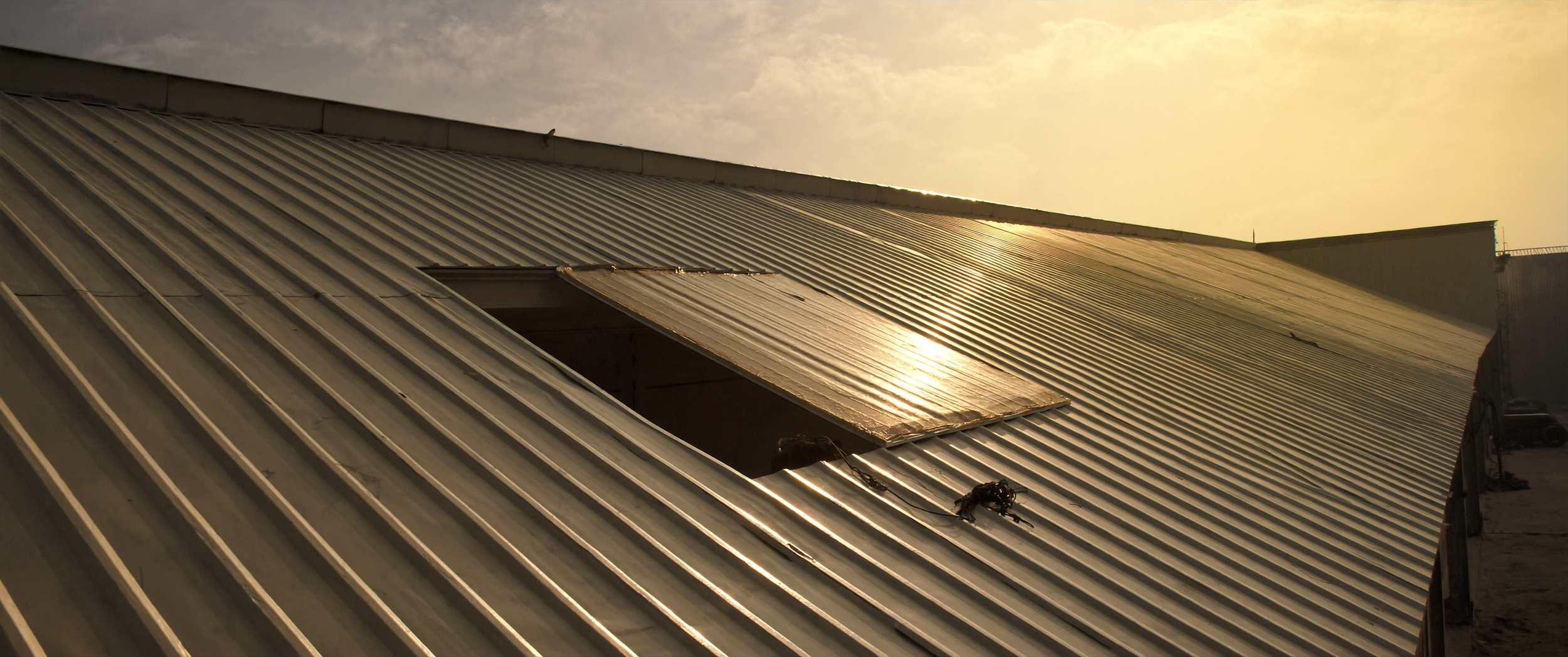
Retrofitting Skylights: How to Add Polycarbonate Rooflights to an Existing Metal Roof
Adding daylighting to a factory or warehouse that's already built is a different job from a new-build rooflight installation. Here's what changes — and what fails if you skip it.
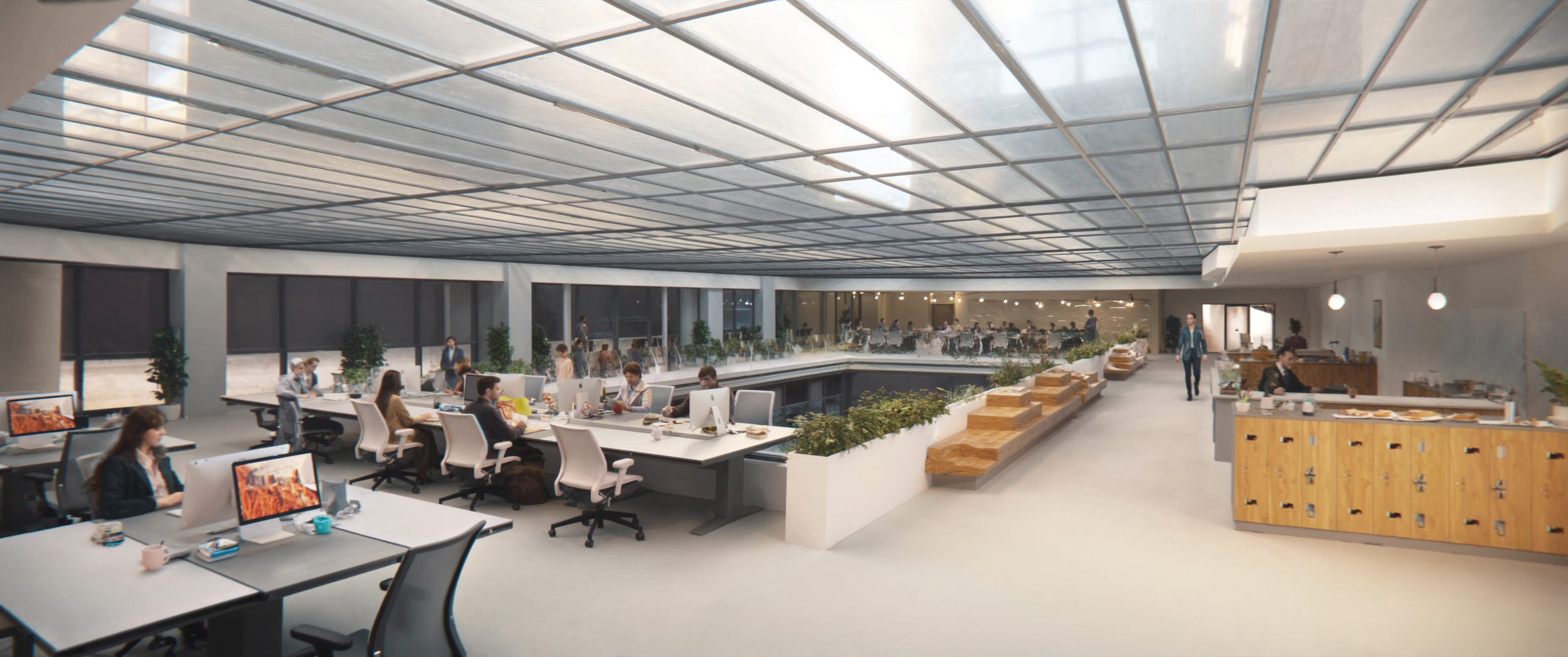
Daylighting and the WELL Building Standard: Why Natural Light Is Becoming a Workplace Requirement
LEED and GRIHA credit daylighting for energy savings. WELL credits it for occupant health. Here's what that difference means for how architects should specify daylight for a wellness-oriented brief.
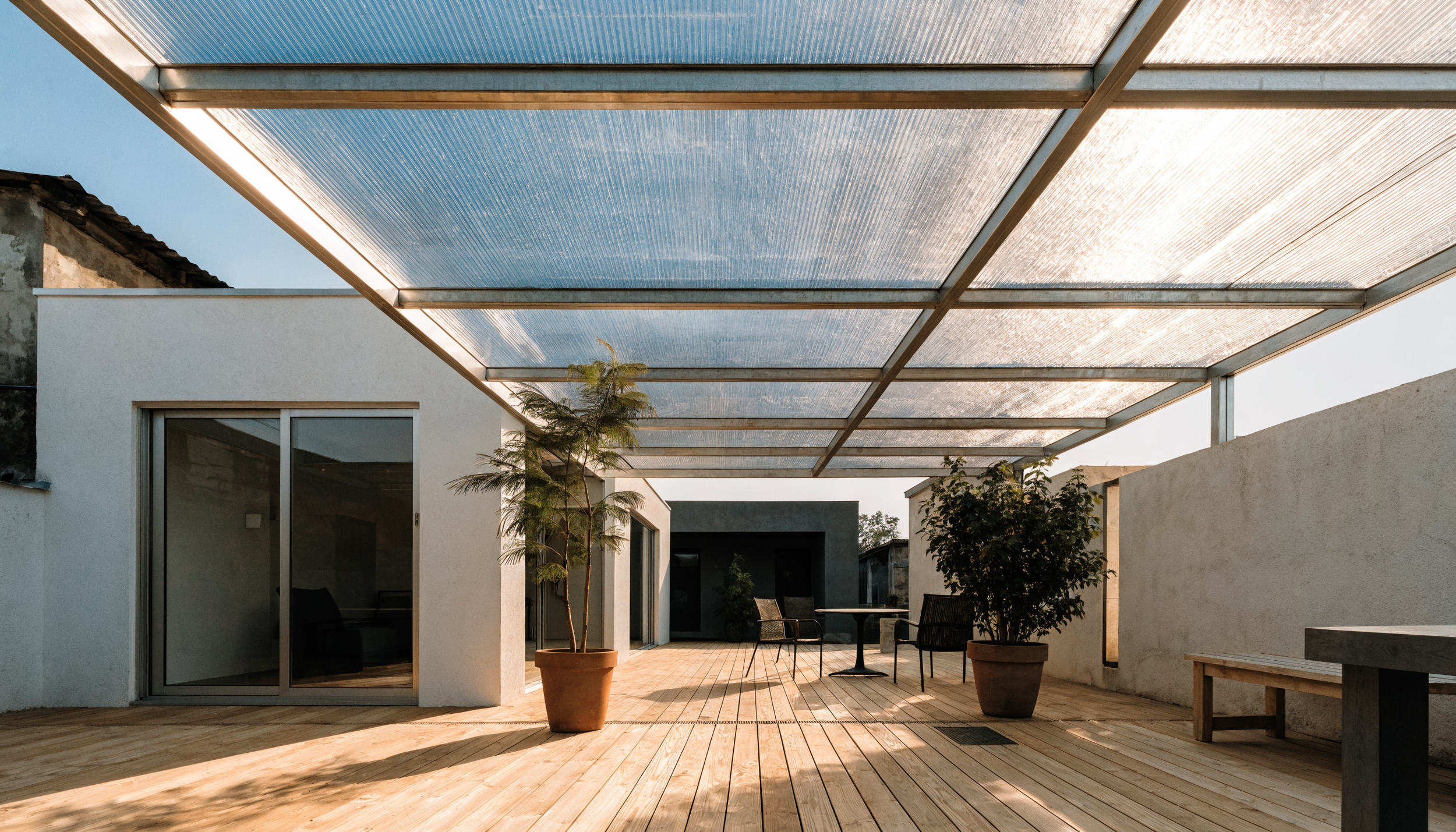
Polycarbonate Roofing for Home Pergolas, Carports & Patios: The Complete India Buying Guide
Confused about polycarbonate sheet options for your pergola, carport, or patio roof? Here's what to buy, what it costs in India, and the mistakes that ruin a home installation.
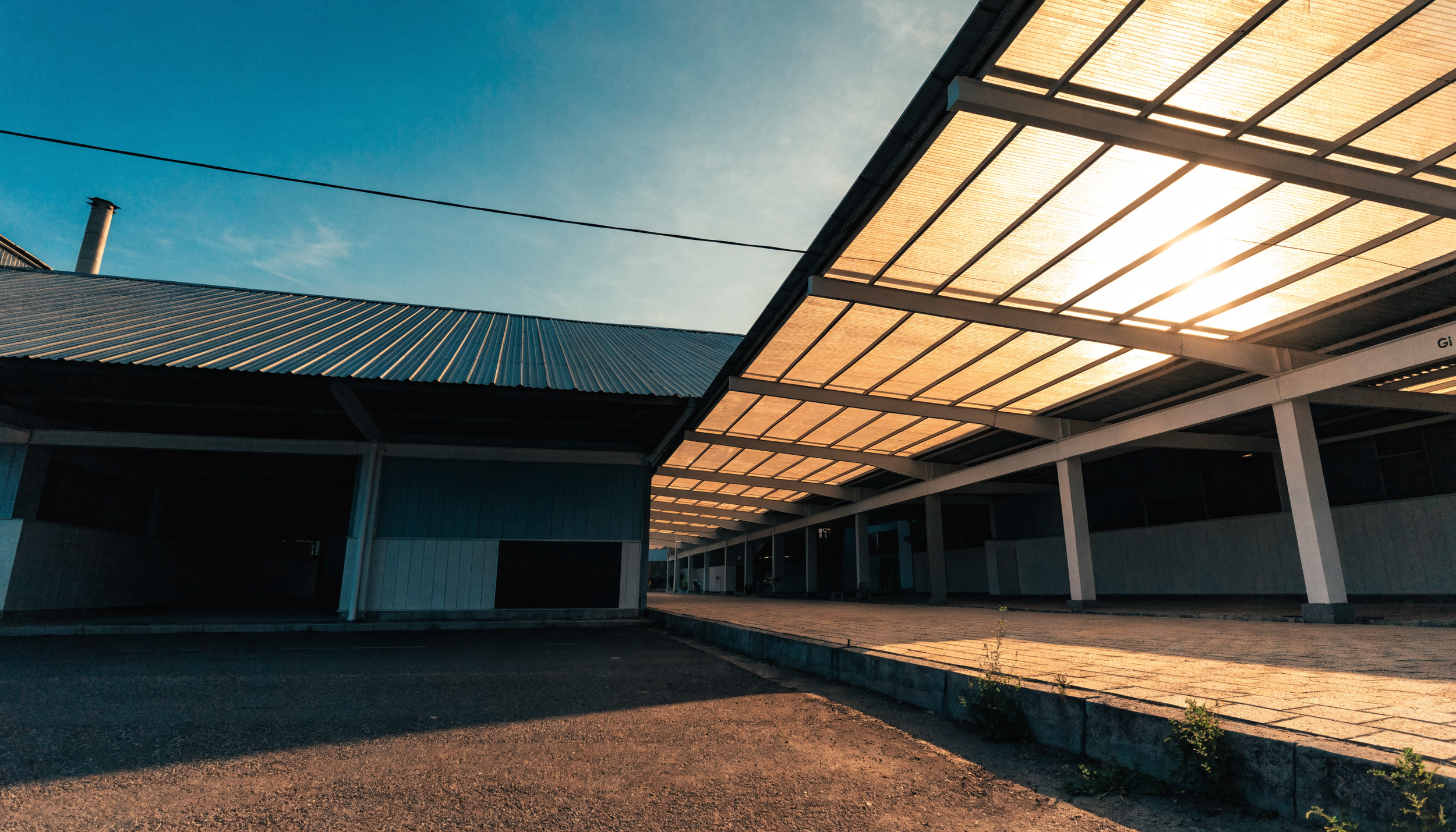
Polycarbonate Roofing vs Metal Sheets: The Complete Comparison for Indian Projects
Comparing polycarbonate and metal (GI) roofing sheets for your next project? This guide covers upfront cost, daylighting, thermal performance, lifespan, and the hybrid approach that most Indian industrial buildings get right.

How Daylighting with Polycarbonate Cuts Energy Bills in Indian Warehouses and Factories
Lighting accounts for 30–45% of electricity consumption in the average Indian warehouse. Polycarbonate daylighting systems cut that by 40–70% and pay back in under four years. Here is how to get the spec right.
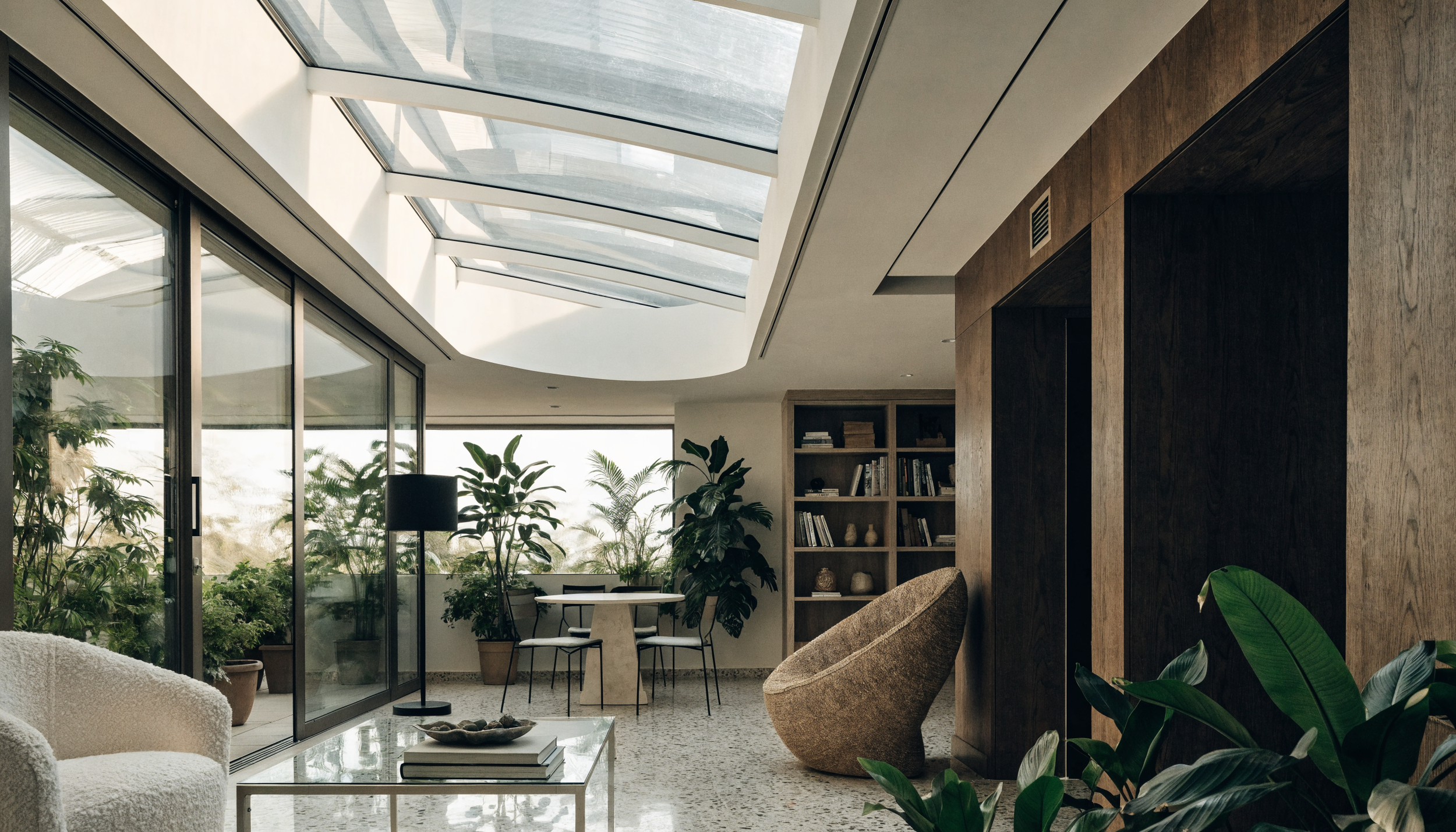
Polycarbonate Skylights: The Complete Specification Guide for Architects and Builders in India
A polycarbonate skylight transforms a space with natural light — or leaks and overheats it if specified incorrectly. This guide covers every decision architects and builders need to get right, from panel thickness to waterproofing details.
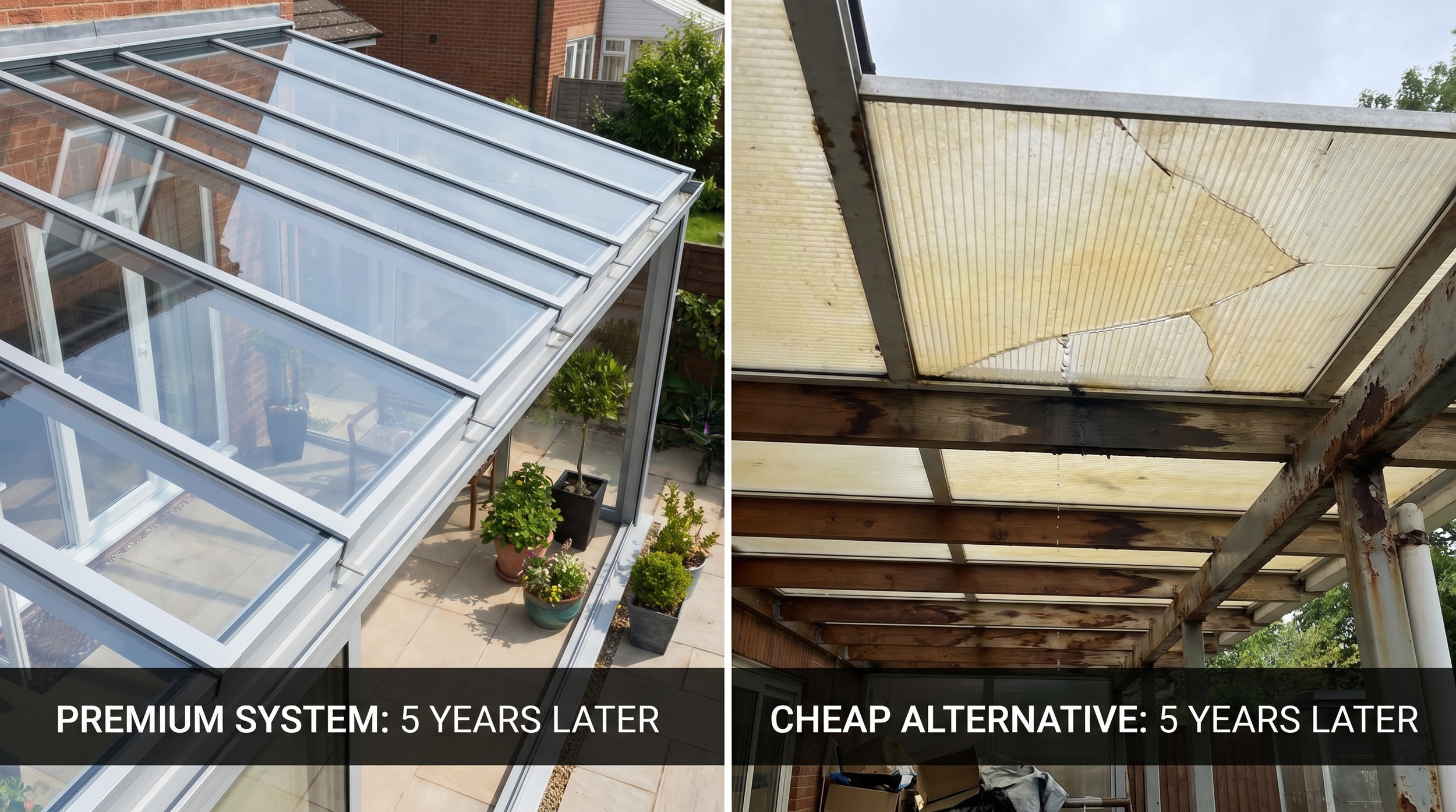
Polycarbonate vs FRP Roofing Sheets — An Honest Comparison for Indian Projects
FRP and polycarbonate are both used for industrial and commercial roofing in India — but they perform very differently over time. Here's what the spec sheet doesn't tell you.
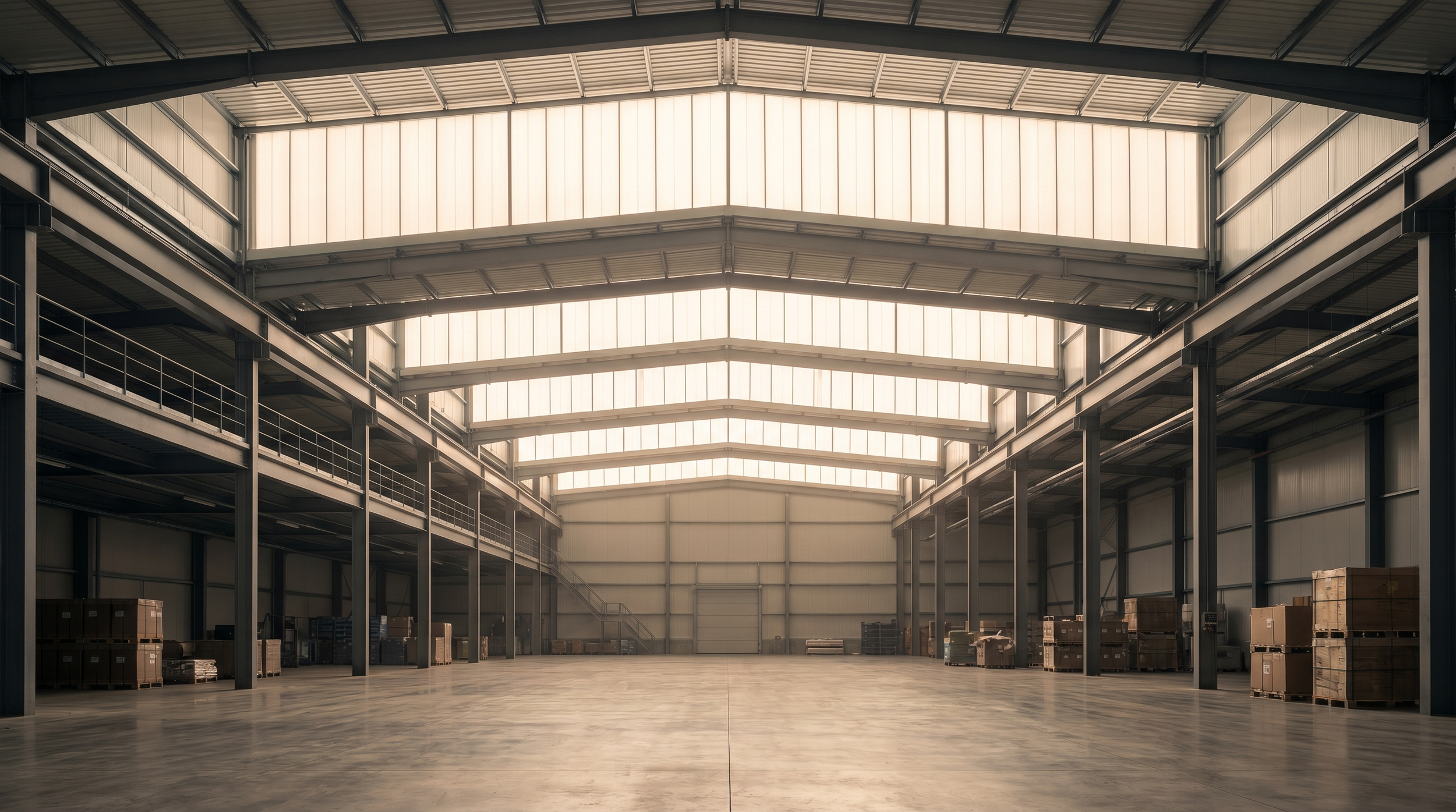
U-Value vs Light Transmission vs Lux: What Actually Matters for Your Polycarbonate Roof
Most buyers confuse U-value, light transmission, and lux when specifying polycarbonate roofing. Here's what each actually measures — and why getting them mixed up leads to expensive mistakes.

What Architects Should Ask Before Specifying a Polycarbonate System
A specification checklist for architects and consultants evaluating polycarbonate roofing and façade systems — covering UV protection, testing standards, panel geometry, and manufacturer credentials.
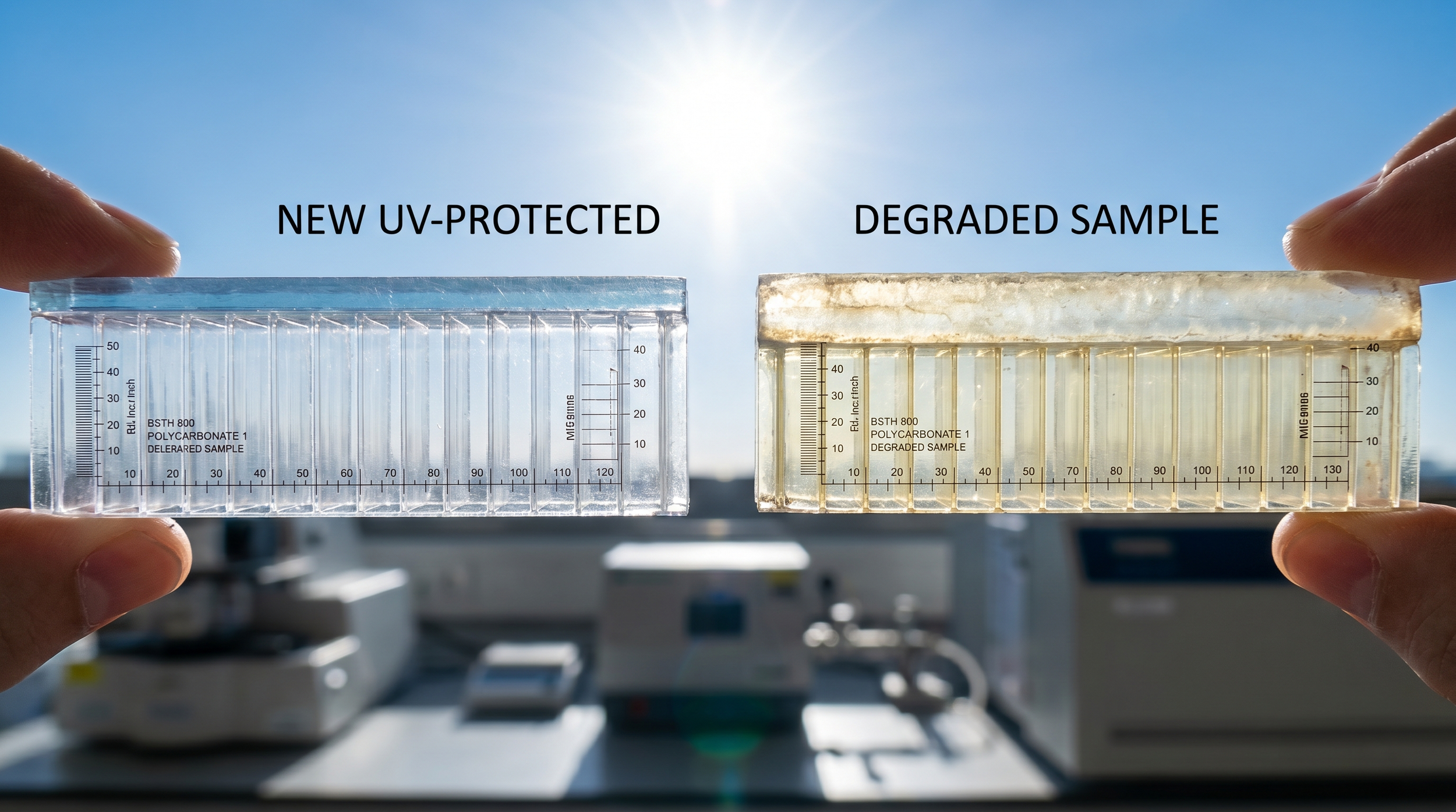
What Buyers Should Check: UV Ageing, Yellowing, and Long-Term Transparency in Polycarbonate Panels
Yellowing and hazing in polycarbonate roofing are not inevitable — they're the result of inadequate UV protection. Here's exactly what to check before you buy.
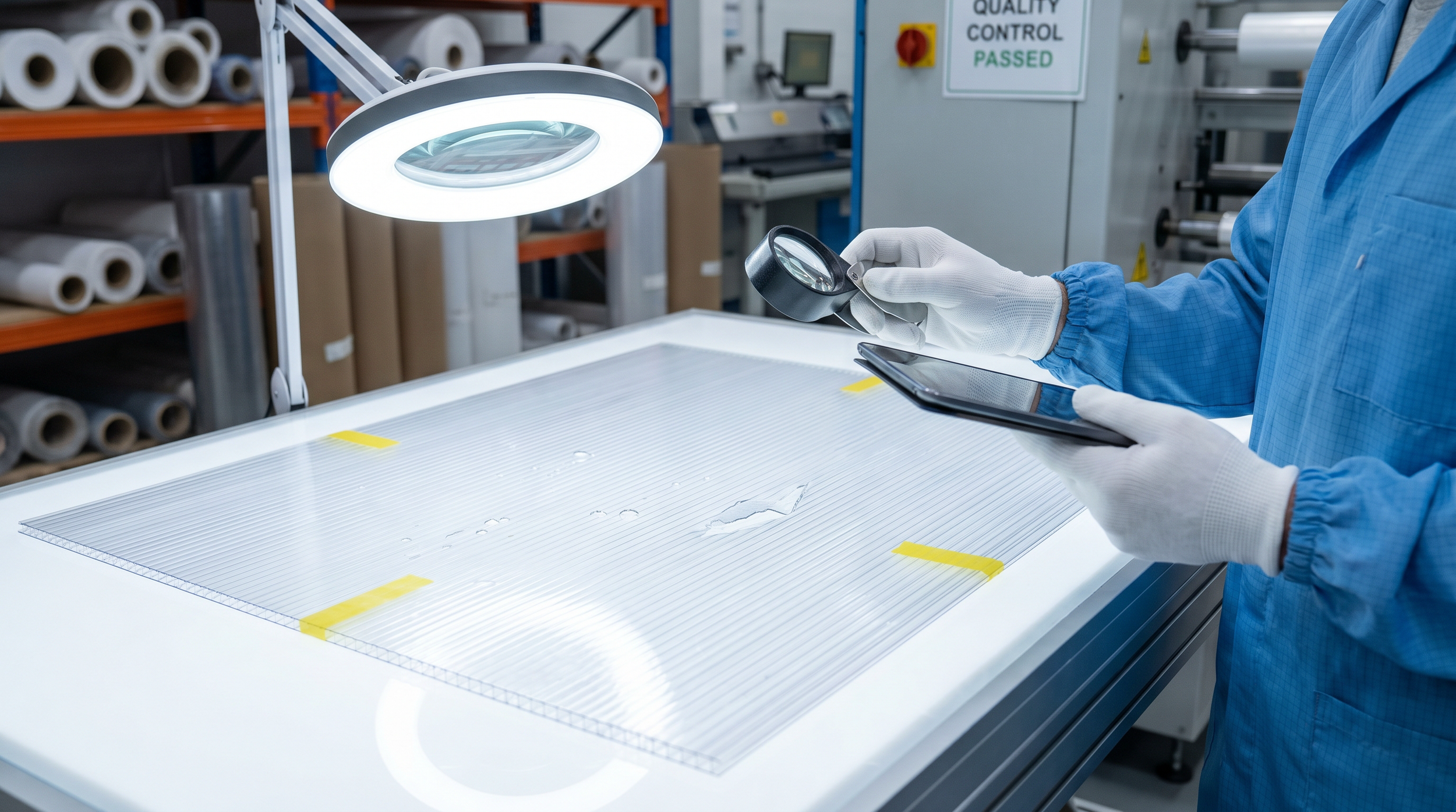
Common Polycarbonate Sheet Defects and What Causes Them
Oil canning, delamination, surface hazing, uneven cell walls — polycarbonate roofing defects have identifiable causes. Here's how to recognize them and what they mean for performance and longevity.
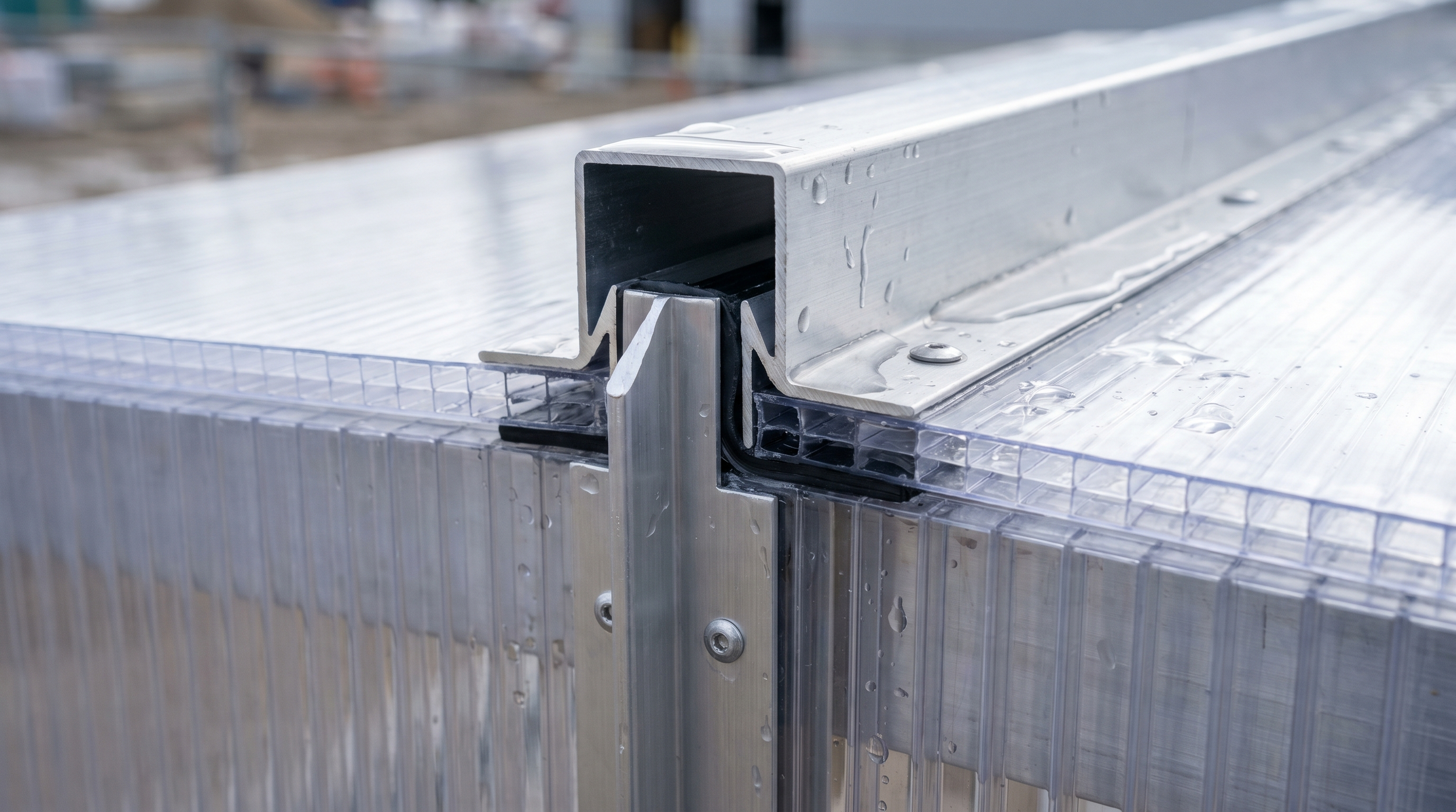
The Hidden Details That Make Polycarbonate Roofing Truly Leak-Proof
Most polycarbonate roof leaks don't come from the panels — they come from the details. Here are the installation elements that separate a watertight system from one that fails in its first monsoon.
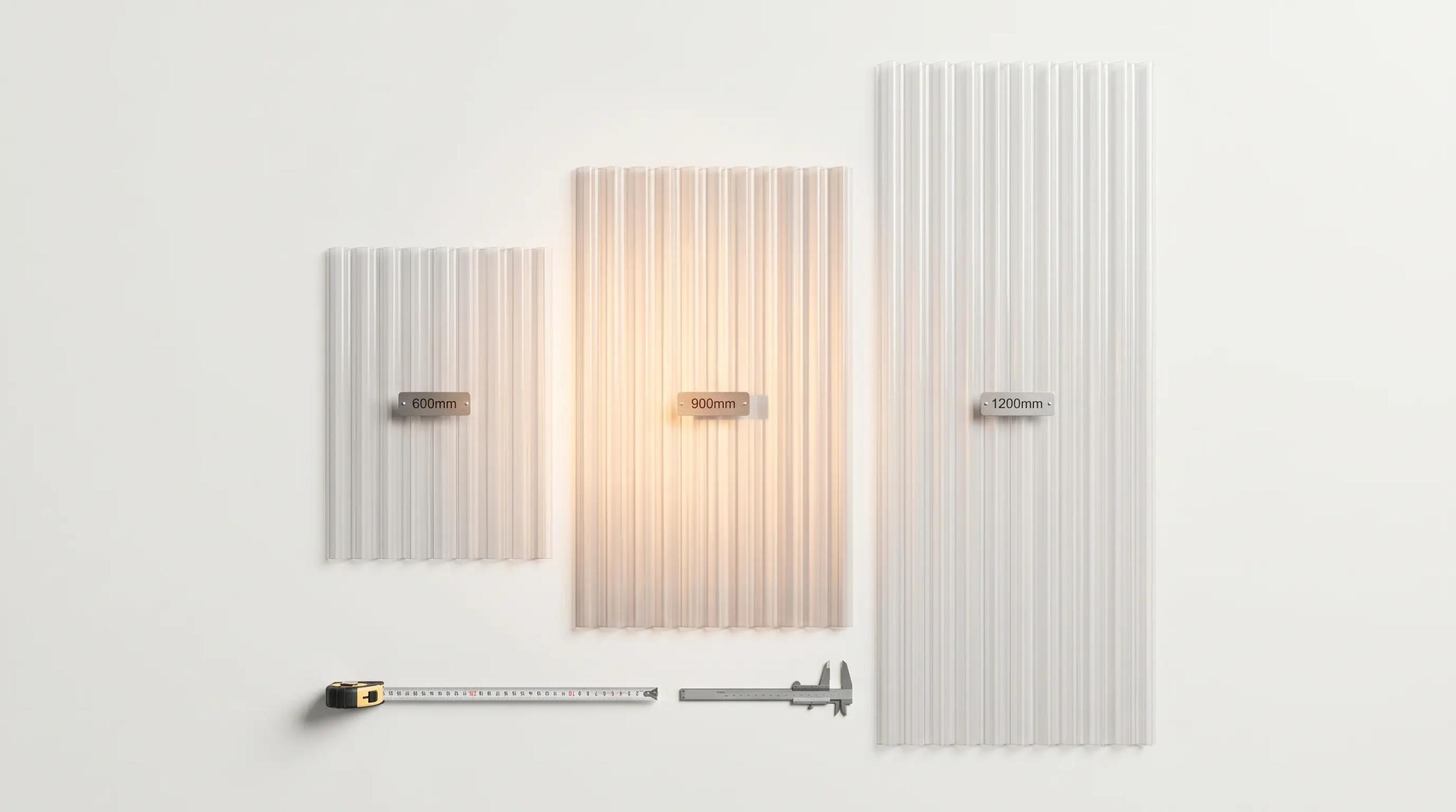
Why 900mm Is the Right Width for Standing Seam Polycarbonate Roofing
Panel width directly affects wind performance, thermal movement, visual flatness, and long-term reliability. Here's why 900mm is the engineered standard for Coxwell standing seam systems.
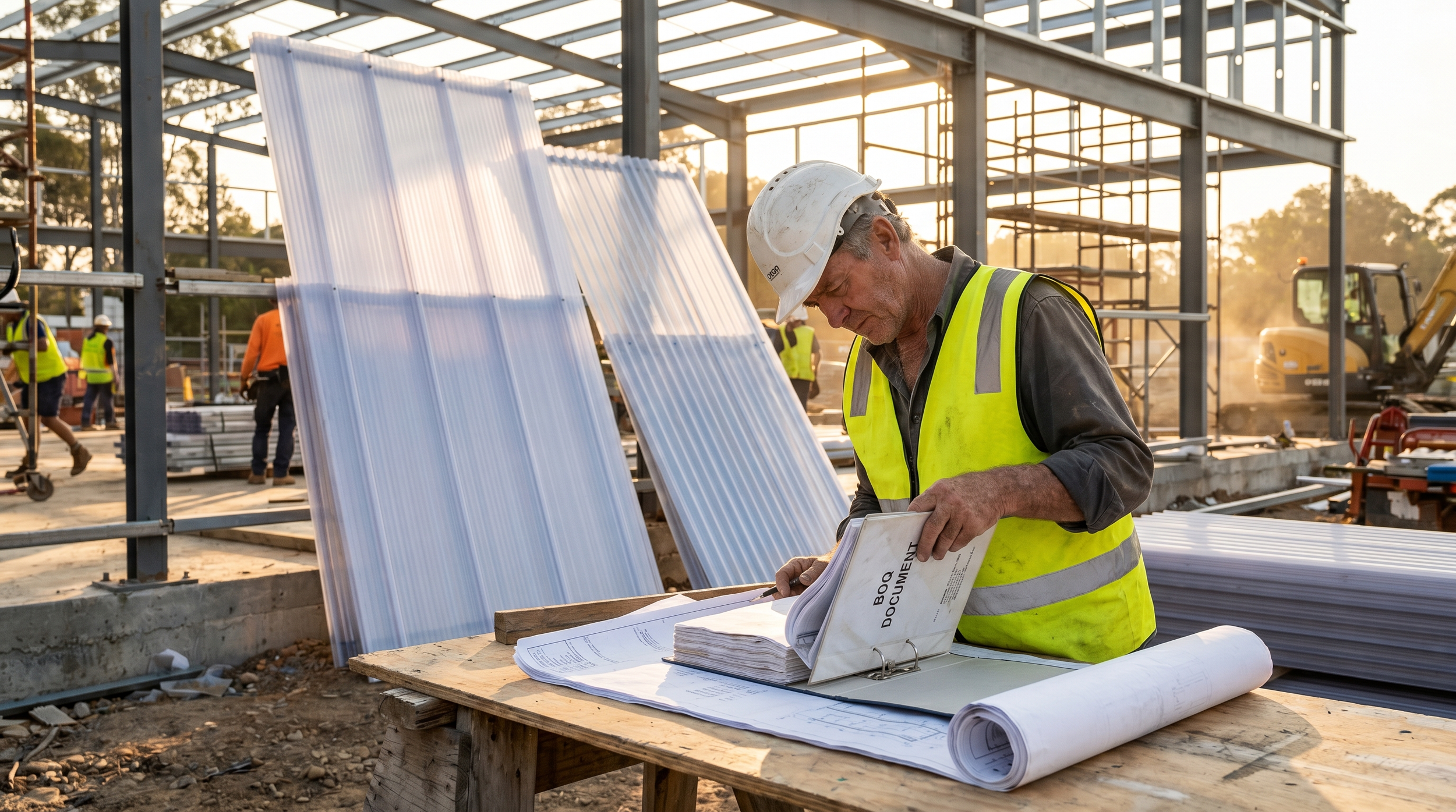
How to Read a Polycarbonate Roofing BOQ Before You Quote
Before you price a polycarbonate roofing job, you need to know what's actually in the BOQ. Here's what experienced contractors check — and what catches out those who don't.

Polycarbonate Roofing Quotation Checklist for Contractors
A practical pre-submission checklist covering every cost element contractors miss when quoting polycarbonate roofing — material, labour, wastage, transport, scaffolding, drawings, and more.
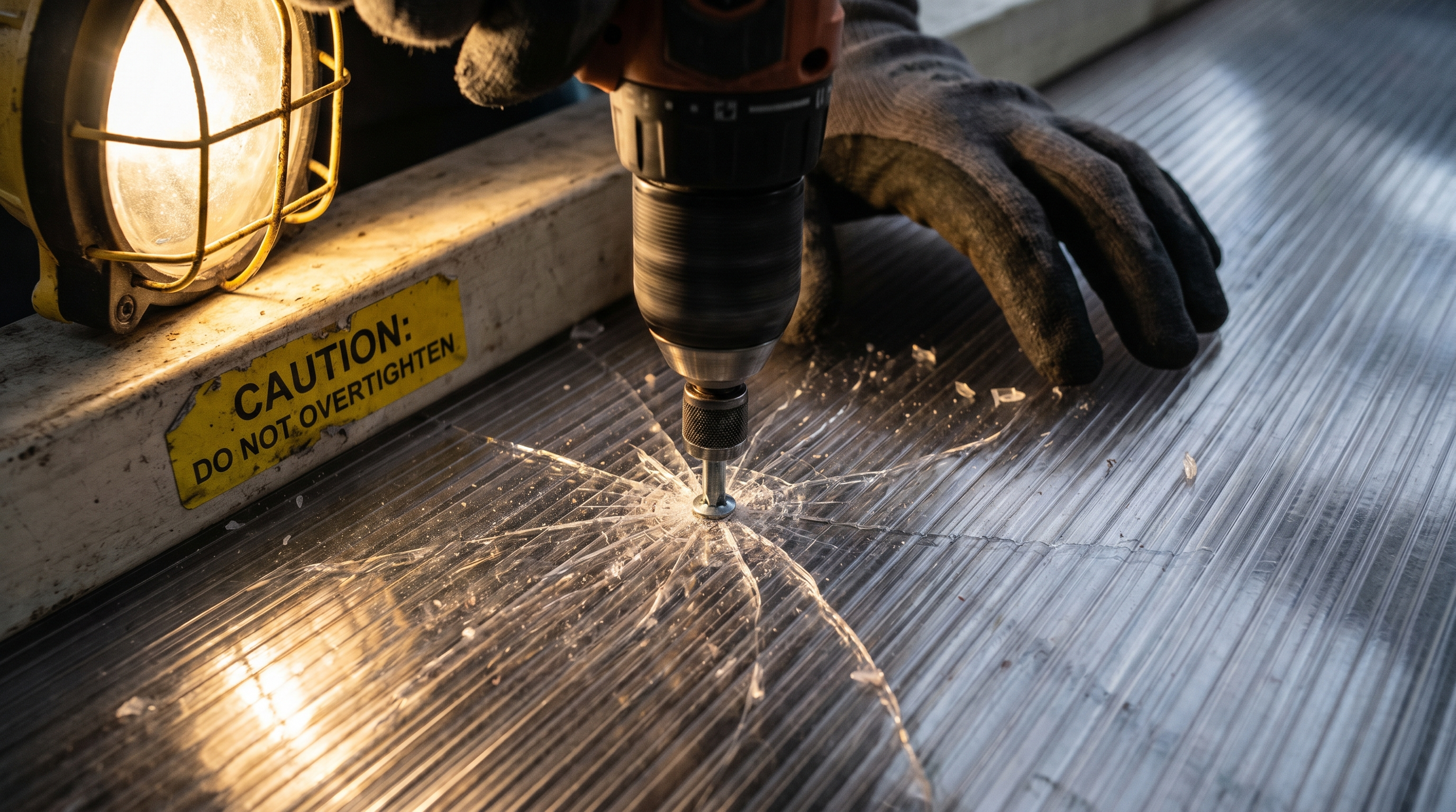
Common Mistakes Contractors Make While Installing Polycarbonate Sheets
Wrong side up. Screws over-tightened. No expansion gaps. These are the most common polycarbonate installation mistakes — and every one of them is avoidable with the right knowledge.
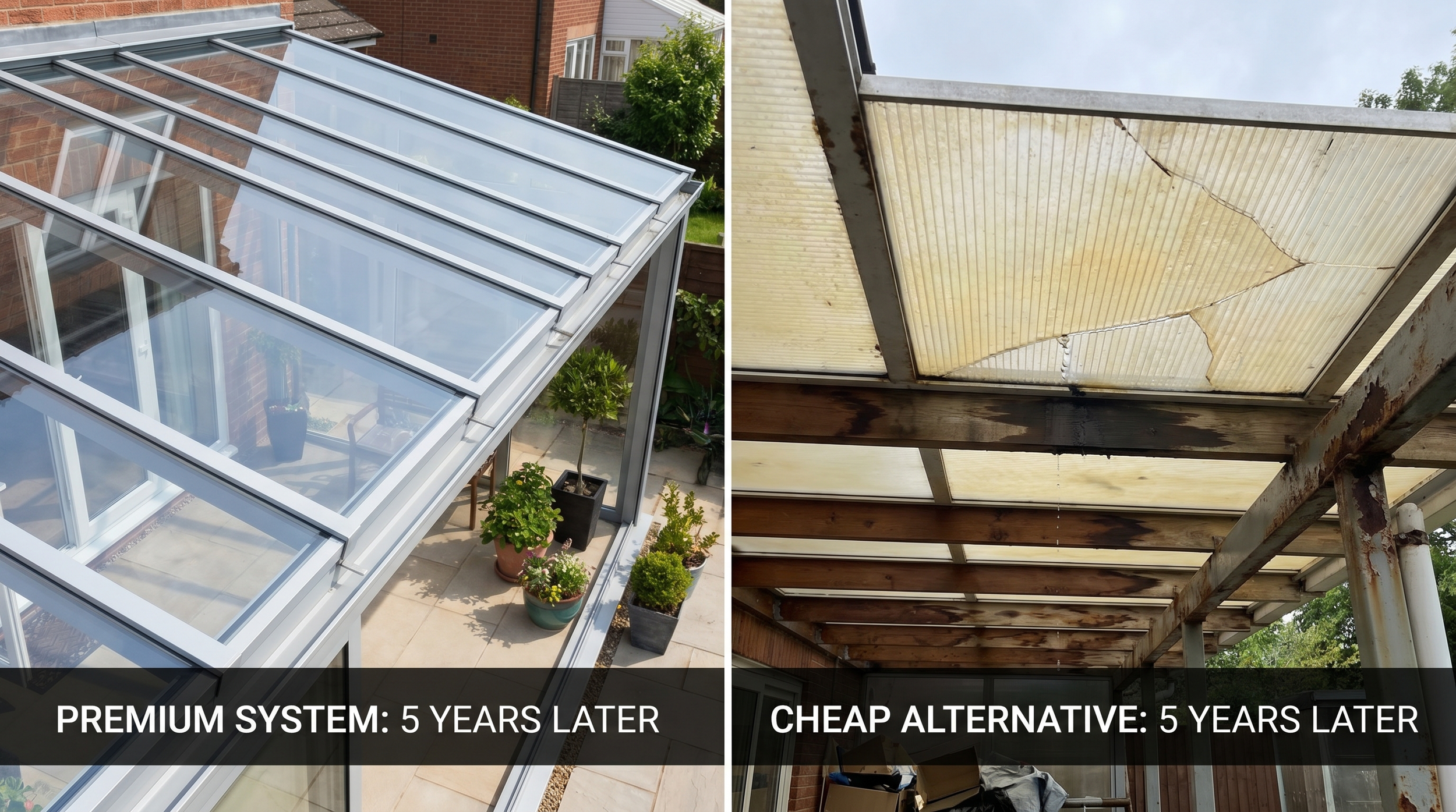
Why the Cheapest Polycarbonate Sheet Can Become the Most Expensive on Site
The panel that saves ₹15/sqm on day one can cost ten times that in rework, replacements, and client disputes two years later. Here's how to calculate the real cost of cheap polycarbonate.
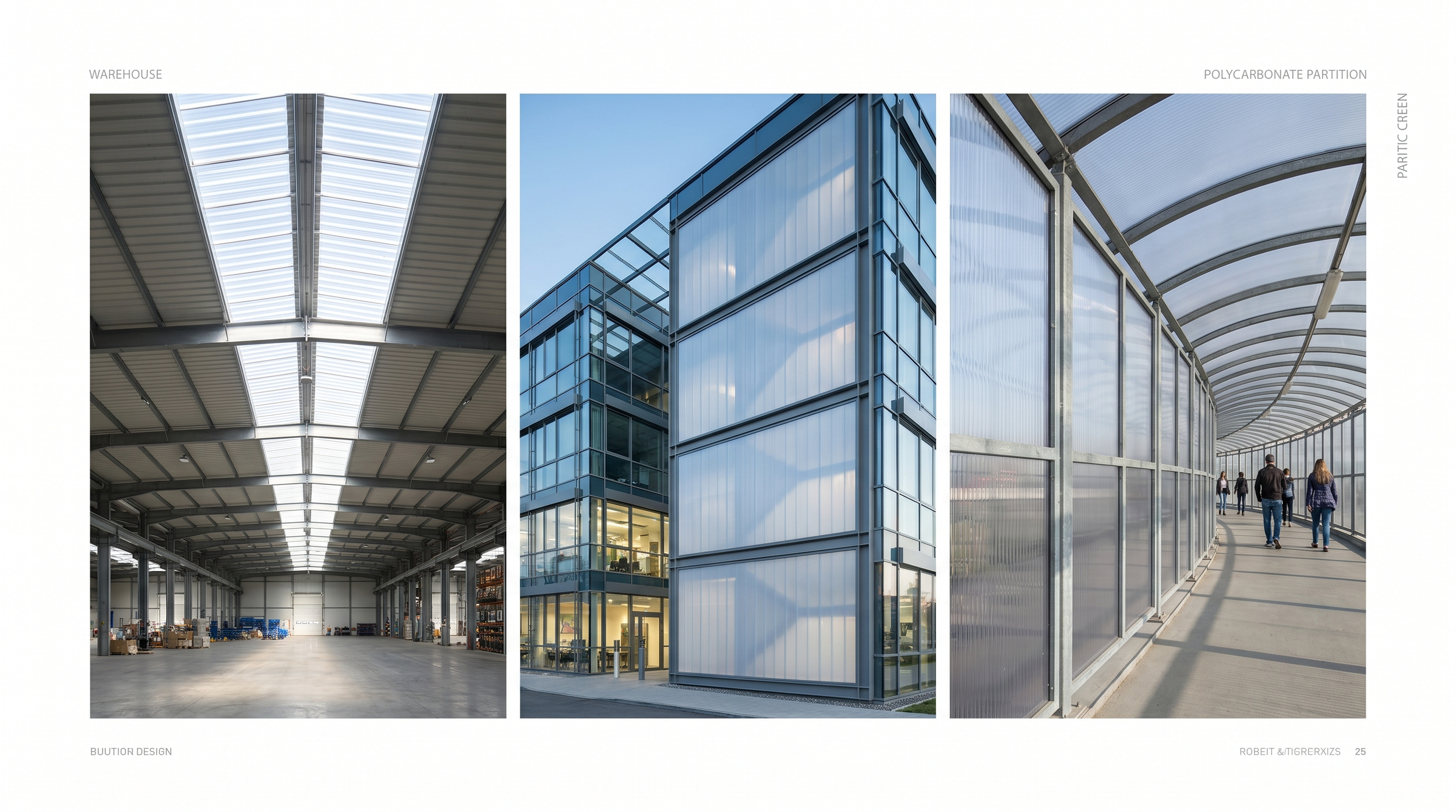
Multiwall vs Multicell vs Solid Polycarbonate: What Contractors Should Use Where
Understanding which polycarbonate product suits which application prevents mis-specification and callbacks. Here's a practical guide for contractors on when to use multiwall, multicell, or solid PC.
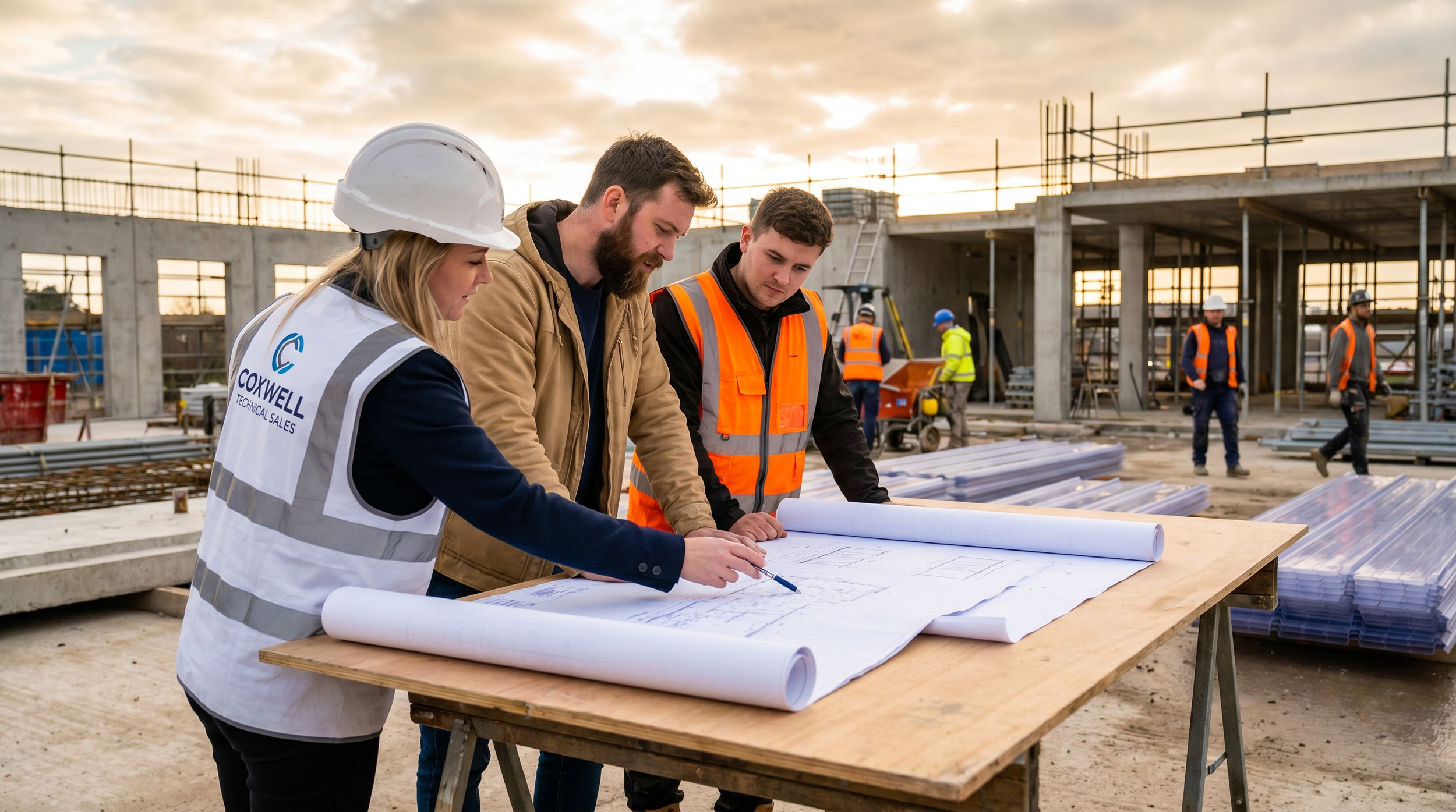
How Coxwell Helps Contractors Win Better Projects, Not Just Buy Sheets
Coxwell isn't just a polycarbonate supplier — it's a technical project partner. Here's the support contractors get: BOQ review, drawings, wind-load documentation, site training, and more.
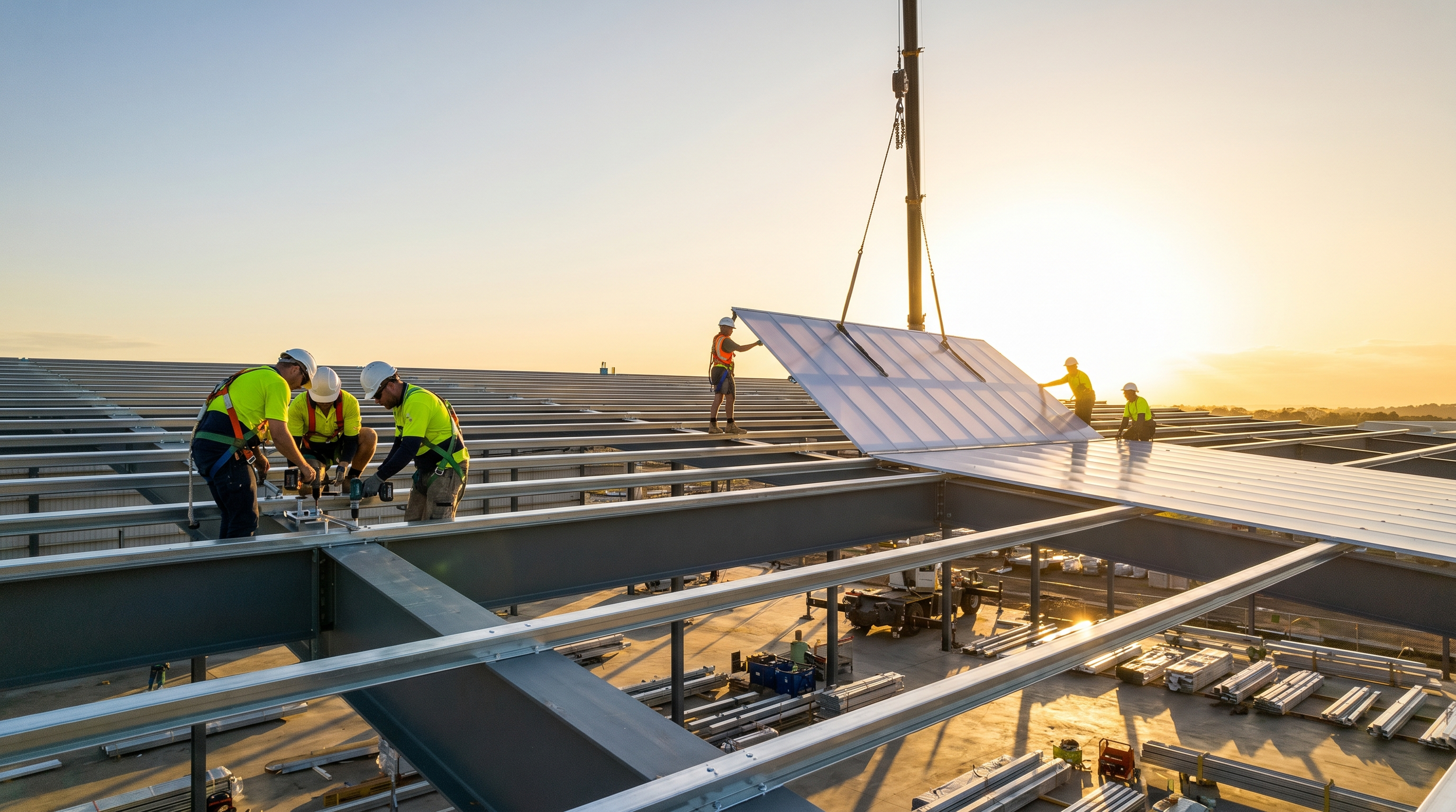
Polycarbonate Roofing Installation: Step-by-Step Site Guide
A practical step-by-step site guide for installing polycarbonate standing seam roofing systems — from structure verification to final inspection, written for on-site installation teams.
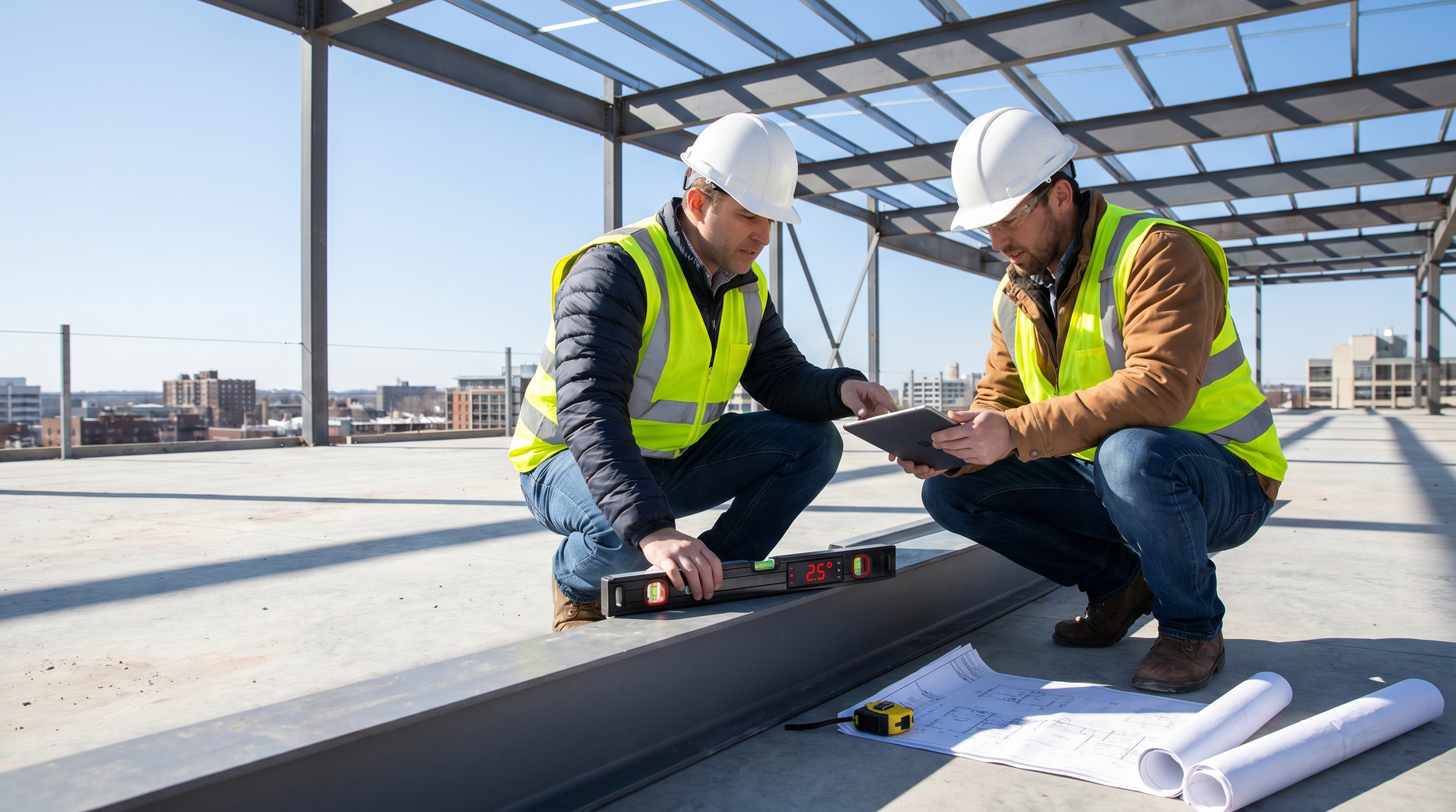
What Contractors Should Ask Before Accepting a Skylight Job
Before you commit to a polycarbonate skylight installation, there are 12 questions you need answered. Span, slope, drainage, wind load, heat gain, access, and maintenance — all covered.
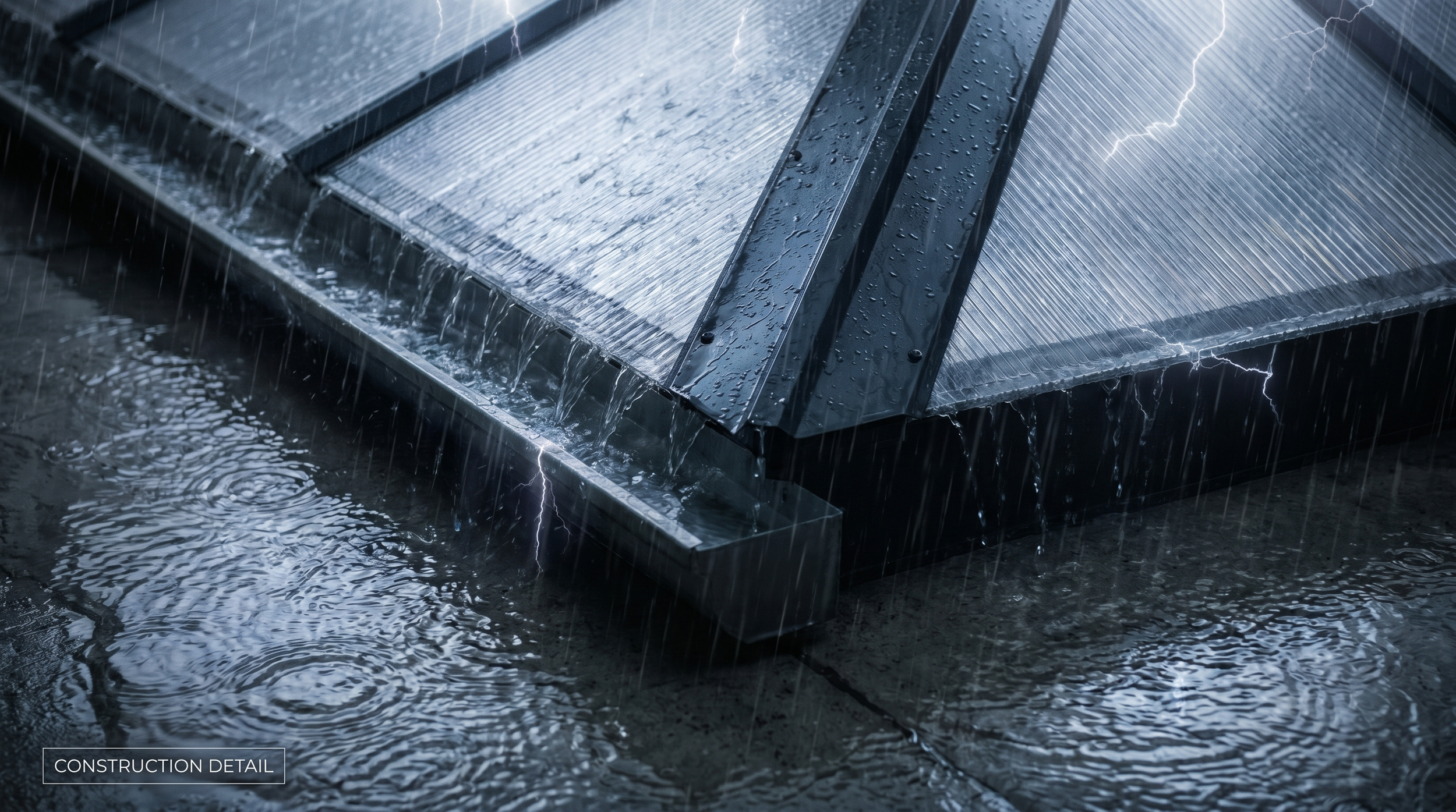
How to Avoid Leakage in Polycarbonate Roofing Systems
Polycarbonate roofs don't leak — bad installations do. Here's how contractors eliminate every common source of water ingress: slope, flashing, fixing, sealing, expansion, gutter junctions, and wall abutments.
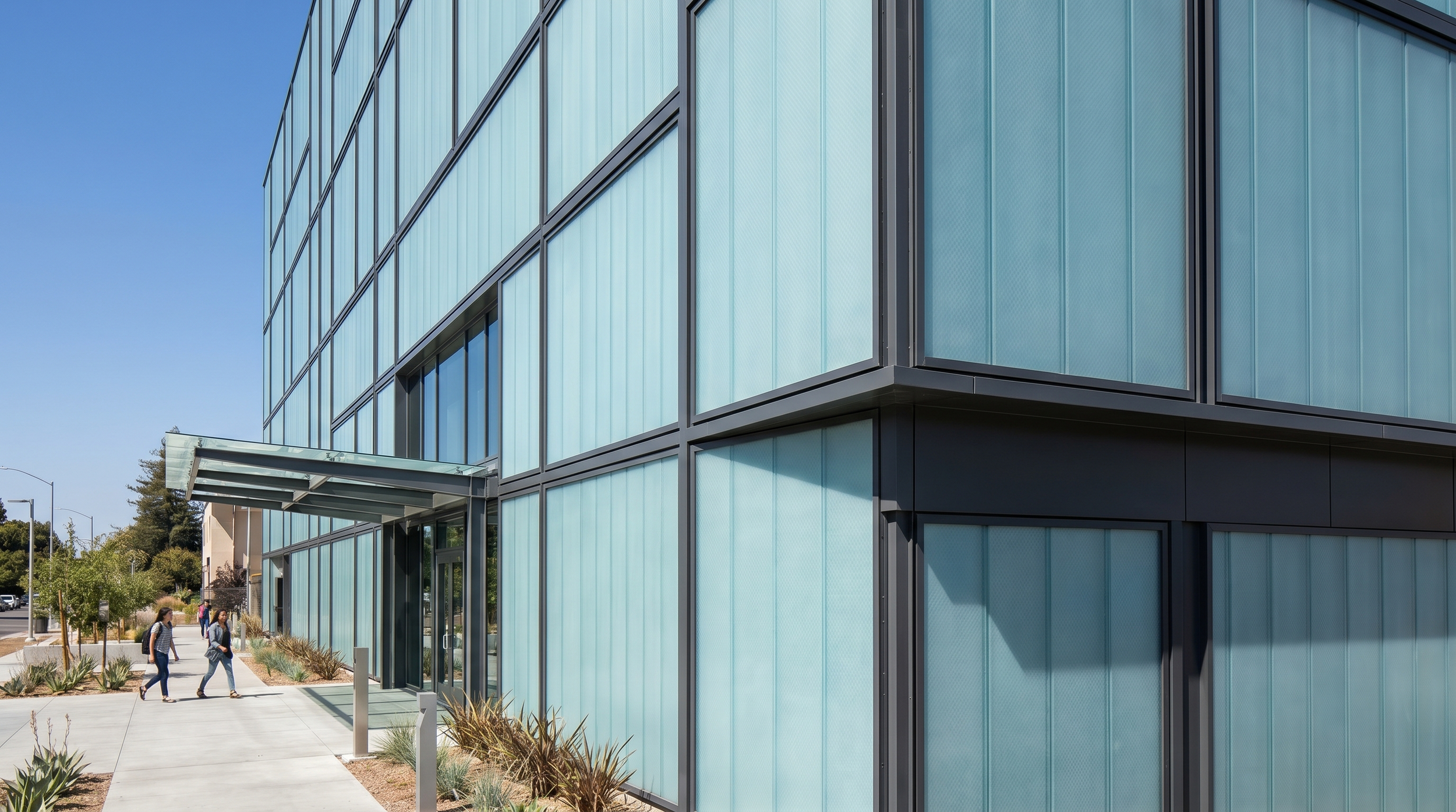
Why Dry-Fix Systems Are Safer Than Sealant Details for Polycarbonate Facades
Silicone sealant on a polycarbonate façade is a maintenance liability, not a solution. Here's why dry-fix mechanical systems outperform sealant-based details on every metric that matters.
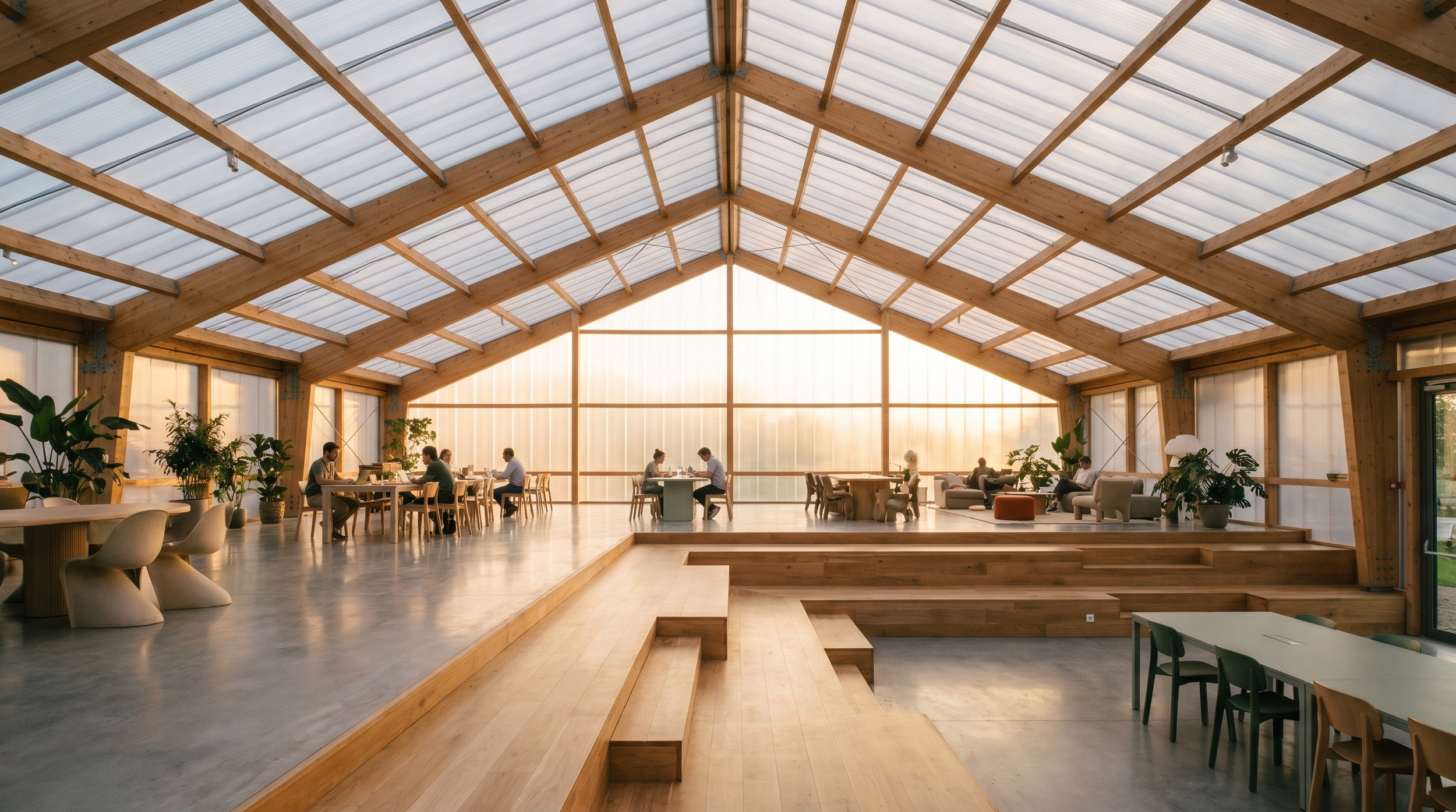
Recommended Lux Levels by Building Type: An Architect's Reference Guide
How much light does a classroom need? A hospital ward? A warehouse? This reference guide covers IES, CIBSE, and IS 3646 lux targets for every major space type — with an interactive table architects can actually use.
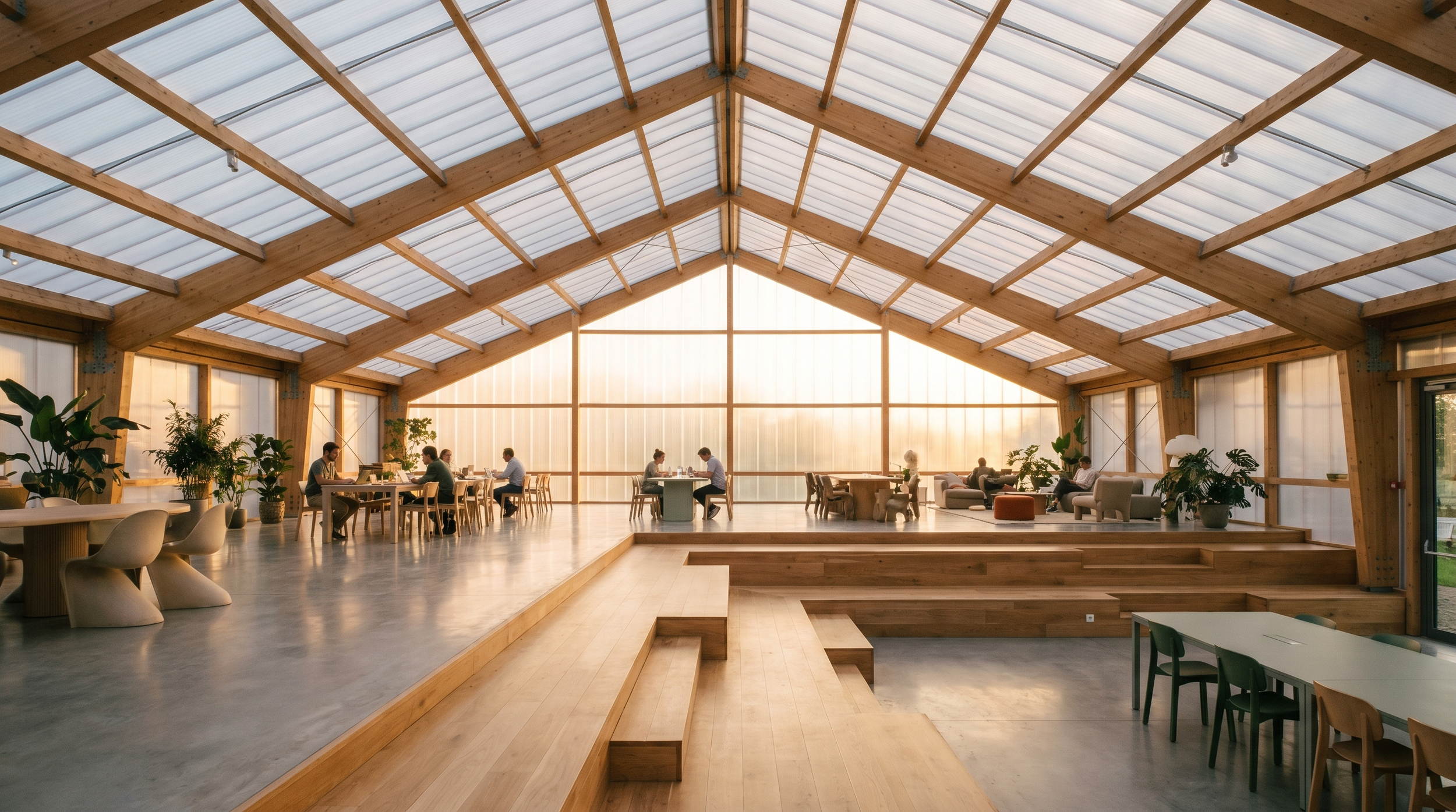
What Is Daylighting? The Concept Every Architect Needs to Understand
Daylighting is not just "letting in light." It is one of the most powerful tools in an architect's kit — with measurable effects on human performance, health, and energy consumption. Here's what the research actually says.
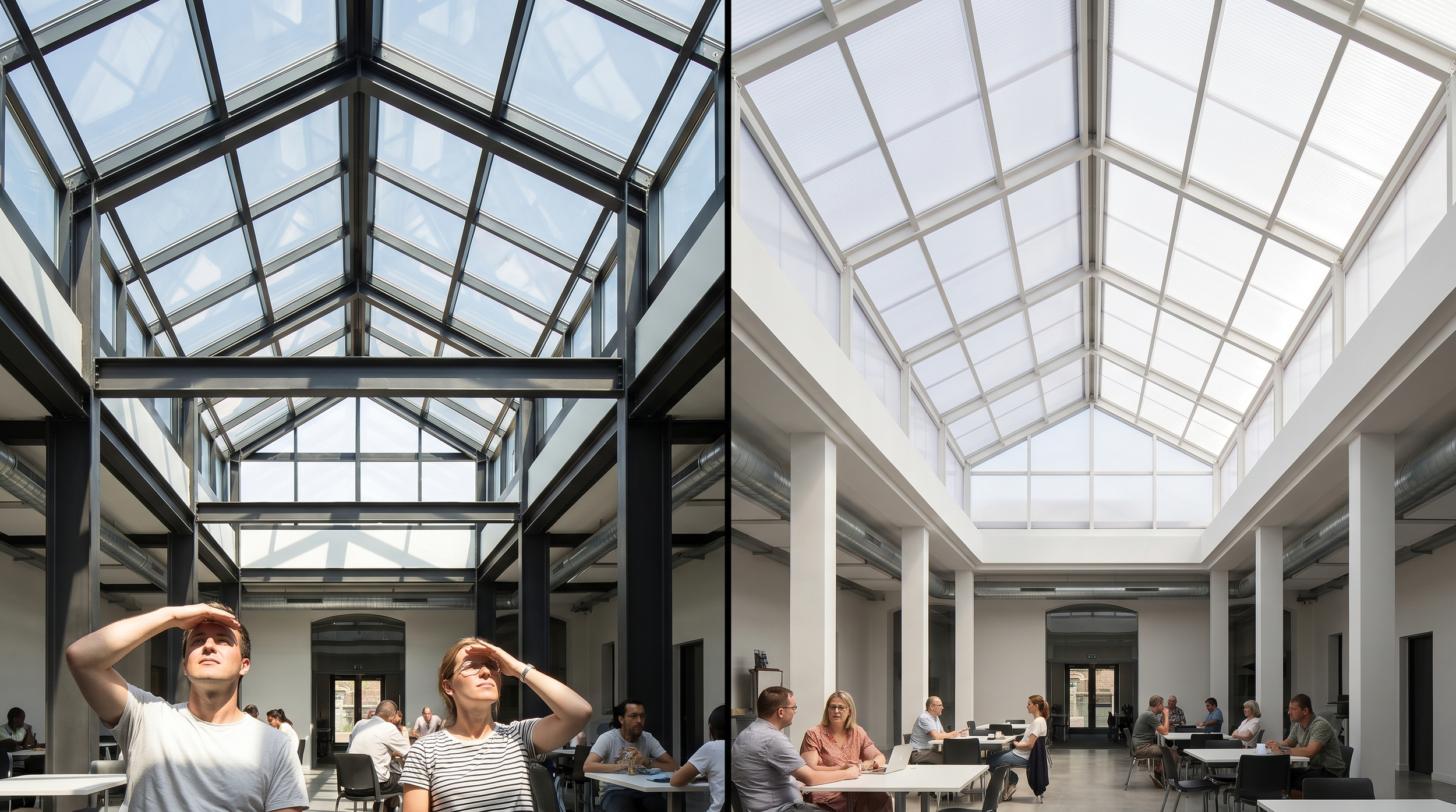
Glass vs Polycarbonate: The Honest Comparison Architects Should Make
Glass dominates architectural education. Polycarbonate is treated as a cheaper substitute. The real comparison is more nuanced — and in many applications, polycarbonate is the superior choice. Here's the evidence.
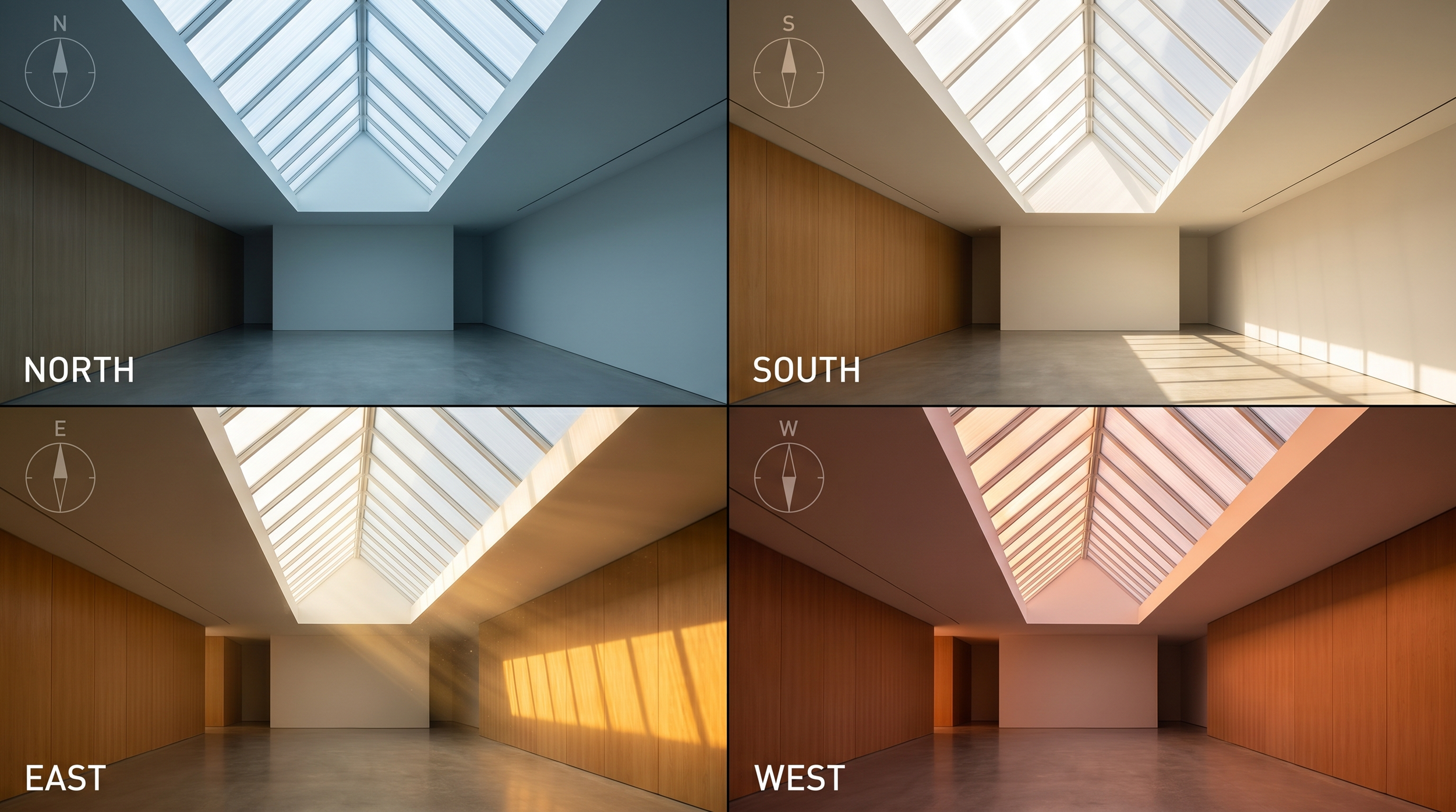
How Orientation Changes Everything: North, South, East and West Skylights Compared
The same skylight facing north, south, east, or west delivers completely different light quality, heat load, and design performance. Here's what every architect should know before placing an aperture.

Glare: Why Higher Light Transmission Does Not Mean Better Daylight
The instinct to maximise light transmission in a skylight is understandable — but often wrong. Glare, discomfort, and occupant-blocked skylights are the result. Here's how to specify for daylight quality, not just quantity.

How to Select a Polycarbonate System for a Daylighting Brief
Given a daylighting brief — a lux target, an orientation, a space type, a thermal budget — how do you select the right polycarbonate system? A step-by-step framework for architects.
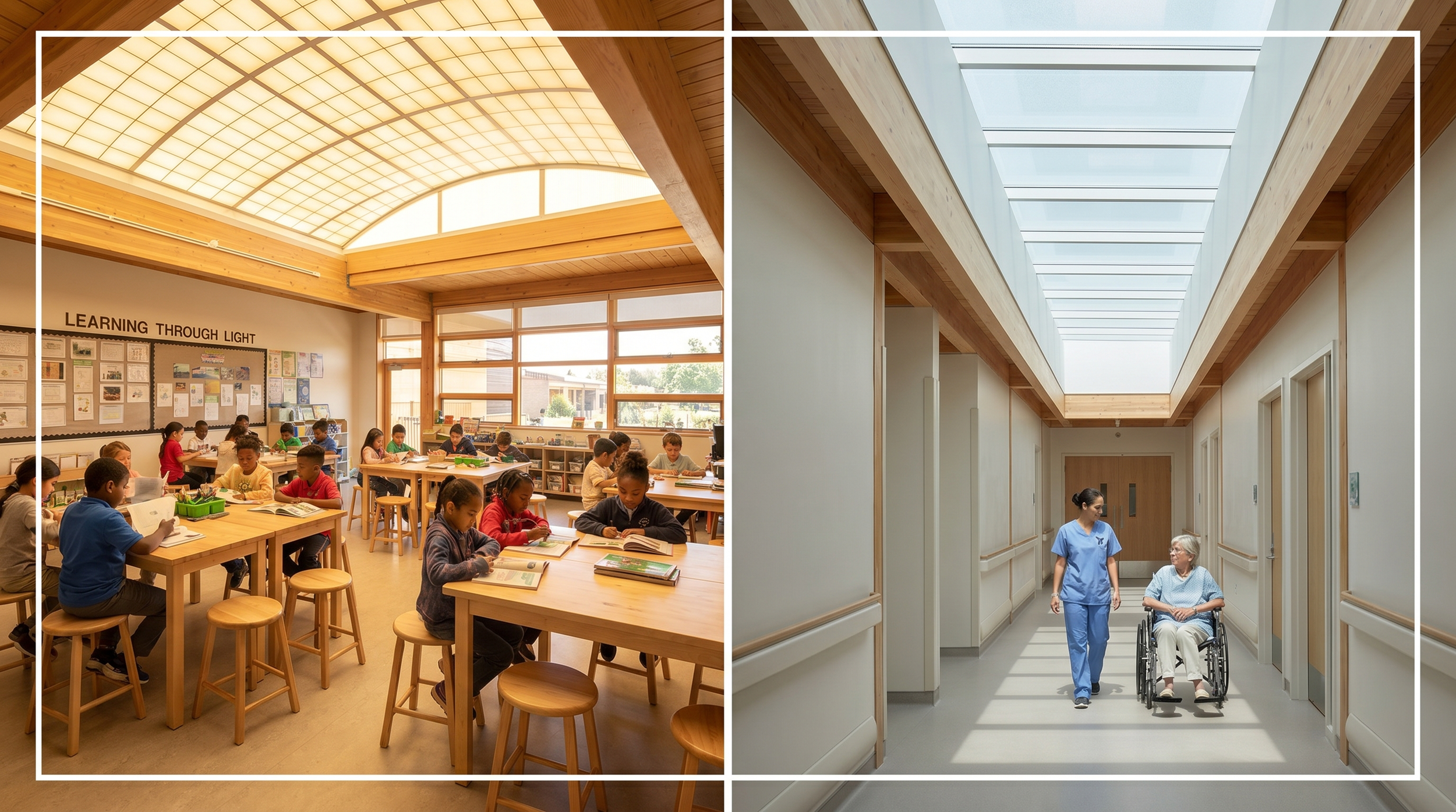
Daylighting in Schools and Hospitals: The Evidence and the Design Approach
The research on natural light in schools and hospitals is among the strongest in building science. Here's what it shows, what it means for specification, and how to design daylighting systems that actually deliver the benefits.